US States Sue to Block Warner Bros. and Paramount Merger Deal
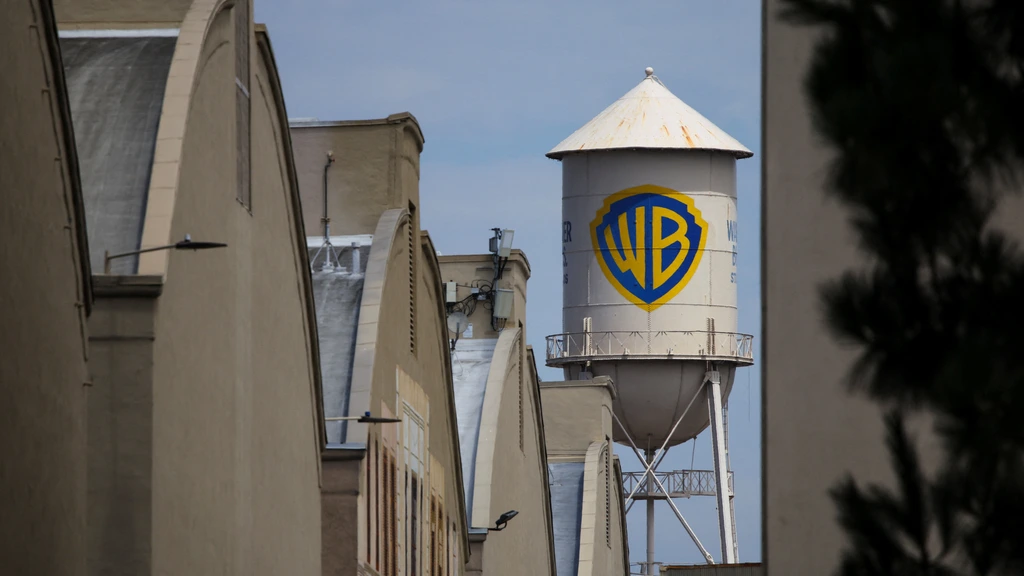
Twelve US states have filed a lawsuit in federal court in Oakland, California, seeking to block the proposed merger between Warner Bros. Discovery and Paramount. The states argue that the "media giant" resulting from the acquisition would possess the power to increase prices for television and film consumers. They contend that Paramount would control 30 percent of blockbuster films shown in US cinemas and 27 percent of the cable television market if the multi-billion dollar deal proceeds. The states emphasize that competition between the two companies is crucial for maintaining affordability and accessibility within the industry. They have requested an immediate injunction to halt the merger pending the lawsuit's outcome. The plaintiffs, all led by Democrats, include New York, Arizona, Minnesota, Colorado, Connecticut, Massachusetts, Nevada, New Jersey, New Mexico, and Washington. Paramount, which owns channels like MTV and Nickelodeon and films such as Titanic and Transformers, and Warner Bros. Discovery, owner of CNN, HBO Max, and franchises like Harry Potter, are currently competing for premier release dates in thousands of US theaters. The states fear this competition, if diminished, could lead to higher prices for both cinemas and moviegoers, as well as for cable providers and their subscribers. Hollywood employees also express concerns about potential job losses and a reduction in film releases.
This legal challenge by twelve US states introduces a significant hurdle to the proposed Warner Bros. Discovery and Paramount merger, shifting the focus from federal regulatory approval to antitrust concerns. The states' argument centers on the potential for increased consumer prices and reduced market competition, asserting that the combined entity could dominate significant portions of the film and television landscape. This action highlights a recurring tension between industry consolidation aimed at achieving economies of scale and the preservation of a competitive marketplace that benefits consumers and creators. While Paramount's defense suggests the merger could enable greater film production and operational efficiencies, the states' counter-argument emphasizes that such benefits may not materialize for the public. The timing and political alignment of the plaintiffs, contrasted with the earlier approval by the Department of Justice, suggest a complex interplay of regulatory interpretation and political dynamics, underscoring the ongoing debate about market power in the digital age and its implications for future media consumption.
AI-generated to prompt reflection — not editorial opinion, not advice, not a statement of fact. How this works.