US States Sue Trump Administration Over New Tariffs
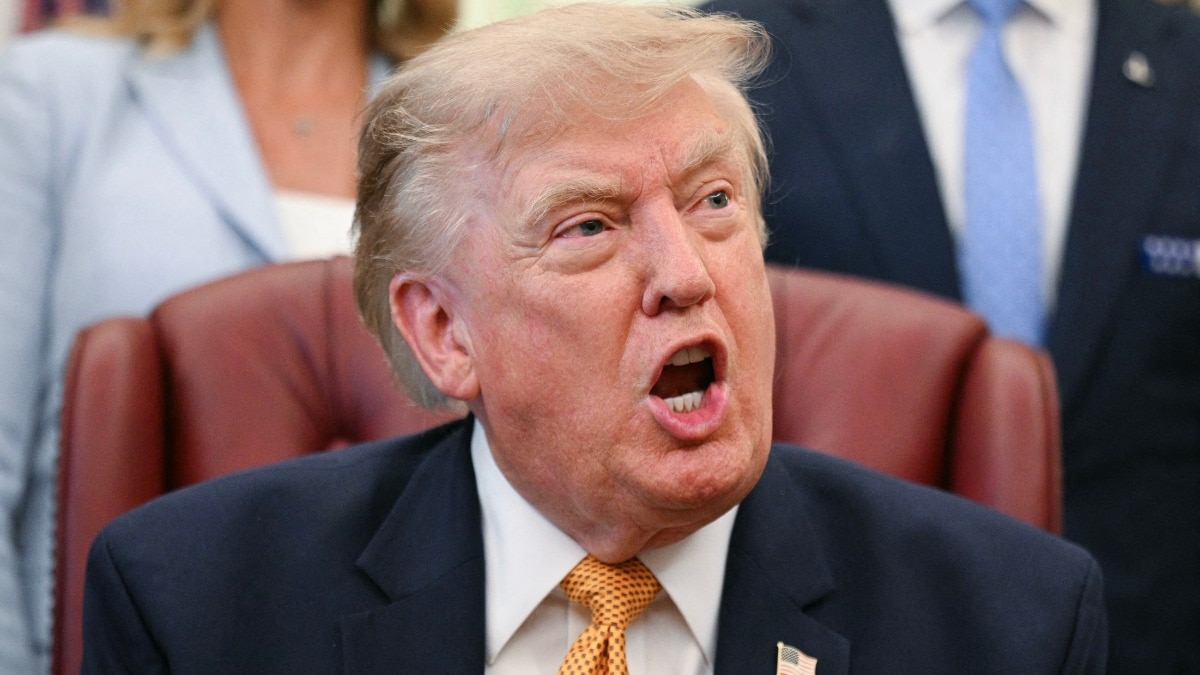
A dispute has erupted in the United States over new tariffs imposed by President Donald Trump, with 25 states filing a lawsuit against the Trump administration. The states allege that the government is disregarding a previous Supreme Court ruling and is forcibly implementing the new tariffs. Several states have declared these tariffs to be illegal. The legal challenge centers on the administration's authority to unilaterally impose such measures, potentially impacting interstate commerce and federal-state relations. This action by a significant number of states highlights deep divisions regarding the executive branch's trade policies and their constitutionality. The outcome of this lawsuit could set a significant precedent for future trade disputes and the balance of power between the federal government and individual states.
The legal challenge by 25 US states against the Trump administration's new tariffs raises fundamental questions about executive authority and the separation of powers. While the administration may argue for the necessity of these tariffs to protect domestic industries or address trade imbalances, the states' legal action suggests a concern that such policies are being implemented without adequate regard for established legal frameworks or the potential negative impacts on state economies. This situation underscores the inherent tension between national economic policy objectives and the rights and economic interests of individual states. The judiciary's role will be critical in arbitrating this dispute, potentially shaping the future scope of executive power in trade matters and the mechanisms for resolving intergovernmental conflicts in the coming decade.
AI-generated to prompt reflection — not editorial opinion, not advice, not a statement of fact. How this works.
