US States Sue Trump Administration Over New Tariffs on Global Trade Partners
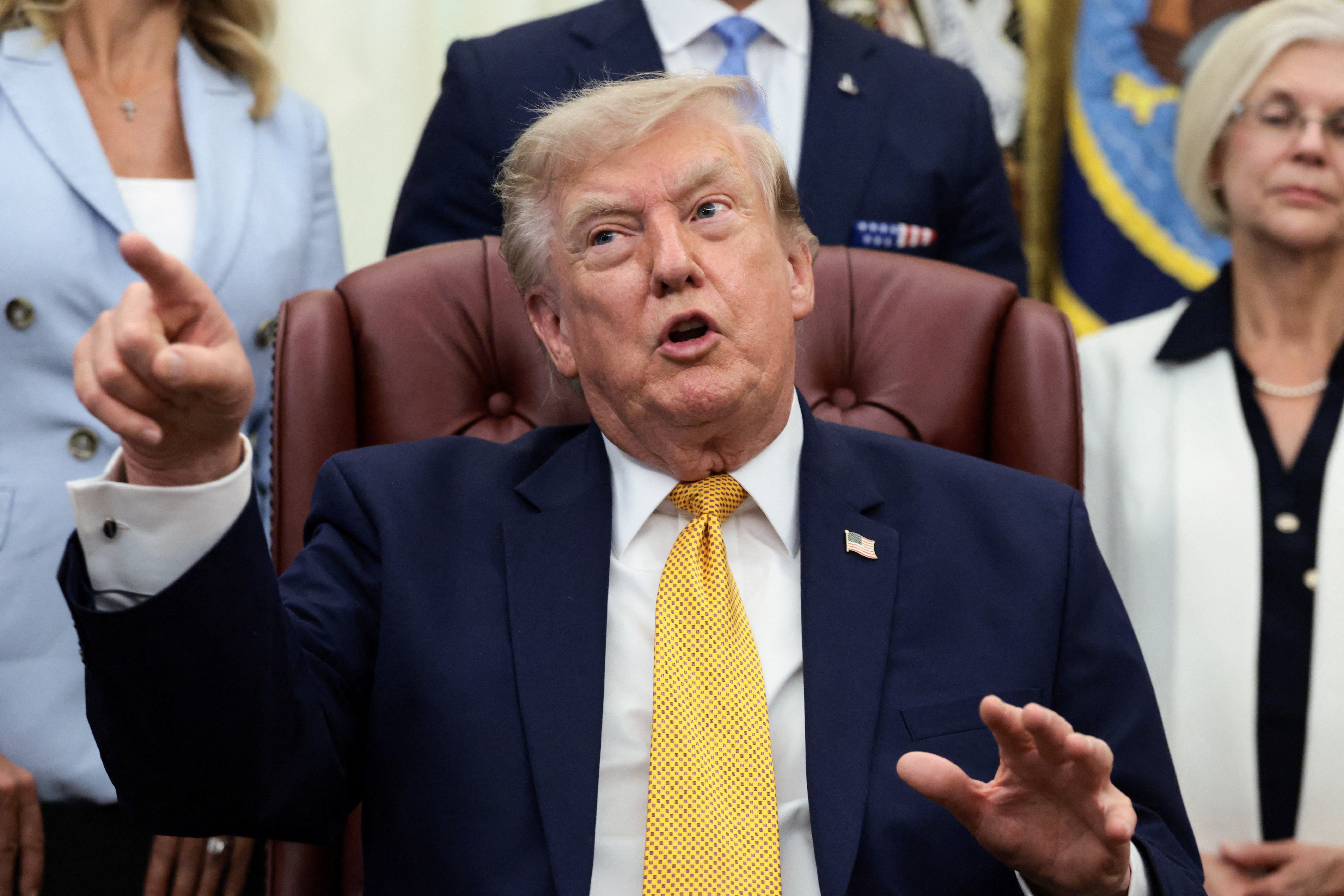
Twenty-five American states have filed lawsuits against the U.S. government, challenging tariffs imposed by President Donald Trump's administration on dozens of countries, including Brazil, the United Kingdom, China, and the European Union. The tariffs, ranging from 10% to 12.5%, went into effect in July and are justified by the U.S. as a response to trading partners' alleged failure to adequately combat forced labor. A coalition of states, led by Democratic governors, argues in a legal document that Trump's decision was "arbitrary, impulsive, and contrary to law." The White House, through spokesperson Kush Desai, stated that the U.S. is exercising its legal authority to address practices harming American businesses, deeming the import of products made with forced labor unacceptable. The tariffs are based on Section 301 of the U.S. Trade Act of 1974, which targets countries using forced labor, and reportedly cover 99.4% of U.S. imports, according to the USTR. The lawsuits contend that the Trump administration is using forced labor as a pretext for an illegal tariff scheme, with the tariffs being so broad they undermine their stated objectives and the legislation used to justify them. New York Governor Kathy Hochul described the tariffs as a "tax on working families," while Oregon Attorney General Dan Rayfield stated that Trump is attempting to cause chaos for working families and local businesses. Affected trading partners, including Brazil and Japan, have expressed disappointment, with Brazil calling the measures "arbitrary" and "unjustified," accusing the U.S. of manipulating human rights issues. China's Ministry of Foreign Affairs spokesperson Mao Ning labeled the tariffs a "pretext for political manipulation." Analysts like Professor Alex Capri question the evidence supporting the forced labor claims and anticipate legal challenges will lead to reductions in the tariffs' impact. This action follows previous broad tariffs imposed by Trump, many of which were overturned by the Supreme Court, leading to billions in refunds. The President has consistently argued tariffs protect American workers and boost the economy, but previous broad tariffs were replaced by a temporary 10% tax on all global imports, which expired in July.
The legal challenges by U.S. states against the Trump administration's tariffs highlight a significant tension between executive trade policy and domestic legal frameworks. The states' argument that the tariffs are arbitrary and unlawful, potentially serving as a pretext for broader economic objectives rather than solely addressing forced labor, warrants scrutiny. This situation raises questions about the executive branch's unilateral power to implement wide-reaching economic sanctions and the adequacy of existing legislation to govern such actions. The reliance on Section 301 of the Trade Act of 1974, intended to combat forced labor, appears to be contested on grounds of its application and scope, suggesting a potential overreach or misapplication of statutory authority. Looking ahead, the legal precedents set by these cases could shape future trade disputes and the balance of power between federal agencies and state governments in international commerce. The long-term economic implications, including potential retaliatory measures from affected countries and the impact on American consumers and businesses, remain a critical consideration in assessing the efficacy and sustainability of such trade policies.
AI-generated to prompt reflection — not editorial opinion, not advice, not a statement of fact. How this works.
