US Strategic Victory Over Iran Unlikely Despite Technological Superiority
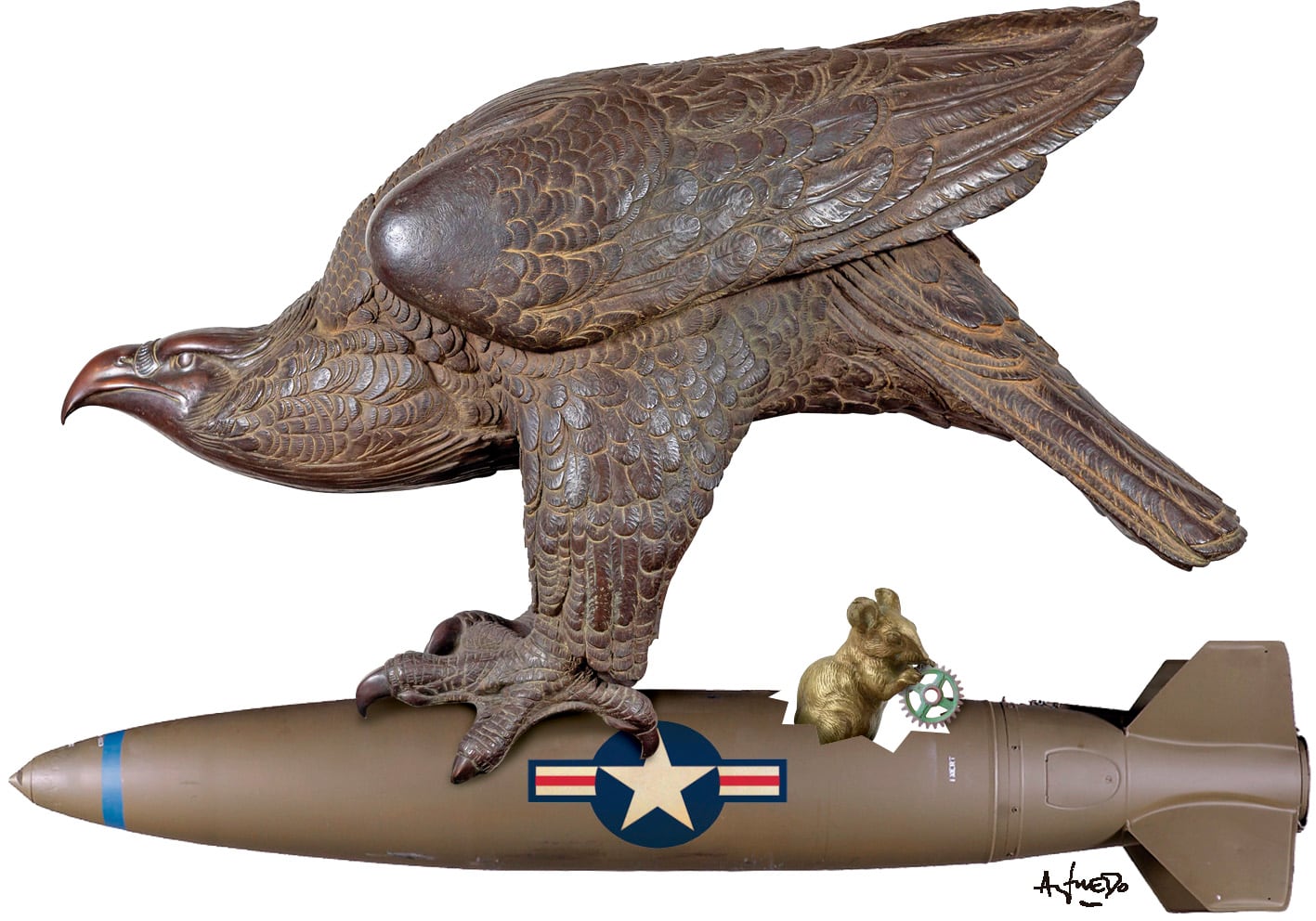
The United States faces significant challenges in achieving a strategic victory over Iran, even with its technological superiority. While advanced technology can win battles, it does not guarantee the imposition of a political solution. In the 21st century, warfare is no longer solely determined by the capacity to destroy an adversary. This suggests that military might alone is insufficient to achieve overarching political objectives in modern conflicts. The dynamics of contemporary warfare require a more nuanced approach that considers political, economic, and social factors beyond mere destructive capability. Therefore, a purely military-driven strategy may prove inadequate against a determined opponent like Iran.
The assertion that technological superiority does not automatically translate to strategic political outcomes highlights a persistent challenge in international relations. Modern conflicts are increasingly characterized by asymmetric warfare and the influence of non-state actors, complicating traditional military objectives. The incentive structures for actors engaged in protracted conflicts may prioritize resilience and political will over immediate battlefield dominance. Looking ahead, the integration of artificial intelligence and cyber capabilities could further alter the landscape, but the fundamental tension between military power and political resolution is likely to persist. Understanding the long-term viability of any strategy requires assessing its adaptability to evolving geopolitical conditions and its capacity to foster sustainable political settlements, rather than solely focusing on kinetic capabilities.
AI-generated to prompt reflection — not editorial opinion, not advice, not a statement of fact. How this works.
