US Strikes 140 Iranian Military Targets in Retaliation for Strait of Hormuz Attack
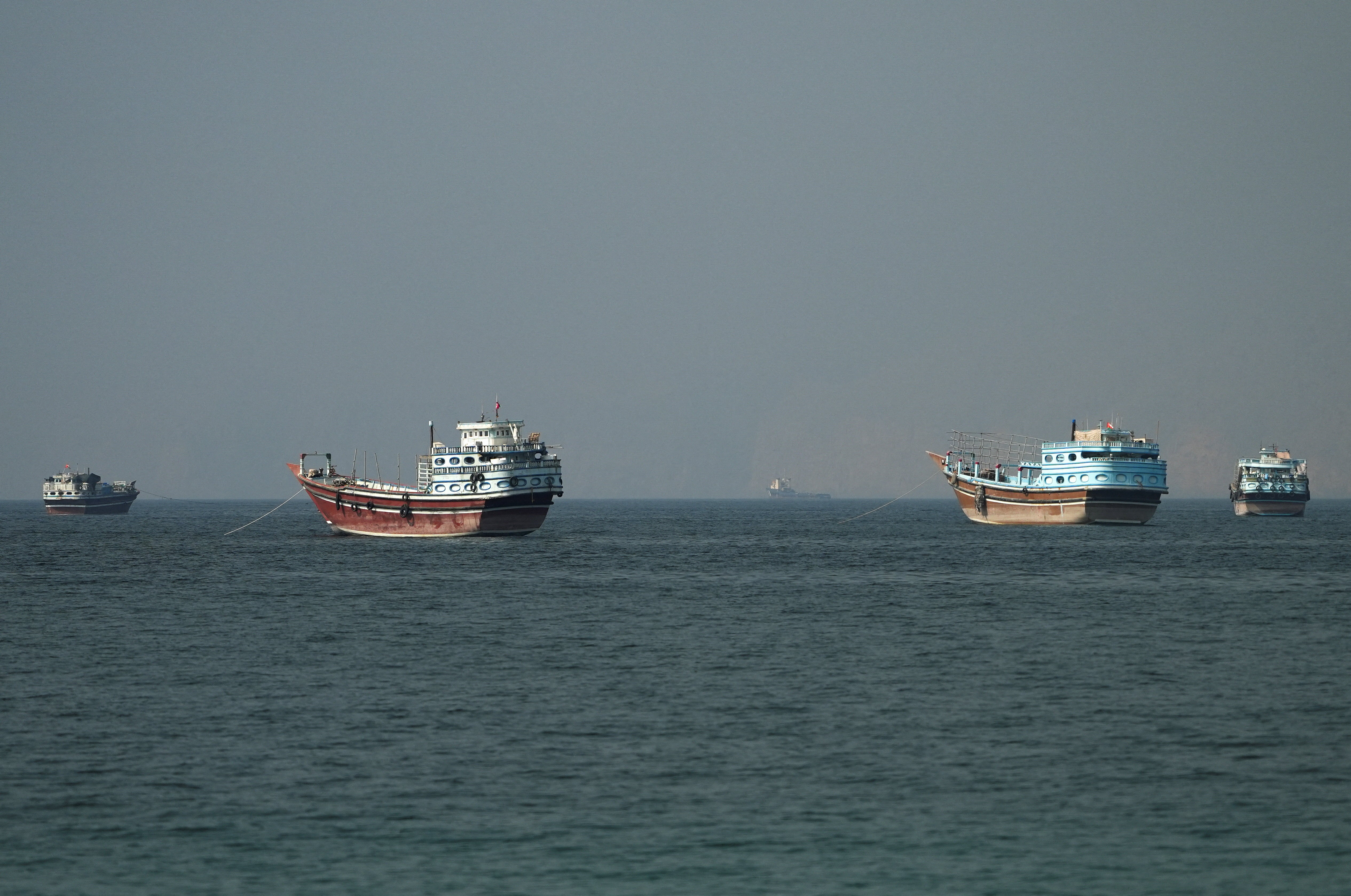
The United States Central Command (Centcom) announced on Saturday, January 11th, that U.S. Armed Forces conducted a third round of airstrikes against Iran this week. According to a statement released on X, formerly Twitter, the offensive on Saturday hit approximately 140 Iranian military targets. Destroyed structures included missile and drone bases, naval facilities, ammunition depots, communication networks, and coastal surveillance posts. These latest strikes bring the total number of U.S.-hit targets in Iran to over 300 over three nights of operations this week. Centcom stated that Saturday's retaliation was a direct response to an attack on a commercial vessel in the Strait of Hormuz, emphasizing that "the transit of commercial vessels through the vital international maritime corridor continues."
The U.S. strikes occurred shortly after Iran declared the Strait closed. Tehran claimed to have fired a "warning shot" that struck a ship navigating an unauthorized route, and warned of a "severe response" to any retaliation. The U.S. identified the hit vessel as the M/V GFS Galaxy, a Cyprus-flagged container ship. American military officials reported that the vessel sustained significant damage to its engine room, and one civilian crew member is currently missing.
The recent U.S. military actions against Iranian targets, totaling over 300 sites in three nights, represent a significant escalation in response to Iran's actions in the Strait of Hormuz. This exchange highlights the ongoing tension and the strategic importance of maritime chokepoints. The U.S. framing emphasizes retaliation for specific incidents, aiming to deter further aggression and maintain freedom of navigation. From a systemic perspective, such escalations test the resilience of international trade routes and could trigger broader geopolitical realignments. The incident underscores the complex interplay between state-sponsored military actions, commercial shipping security, and the volatile regional dynamics, particularly in the context of evolving global power structures and the increasing reliance on AI-driven intelligence and autonomous systems in military operations.
AI-generated to prompt reflection — not editorial opinion, not advice, not a statement of fact. How this works.