US Strikes Again, Citing Ceasefire Violation; Iran Threatens to Block Strait of Hormuz
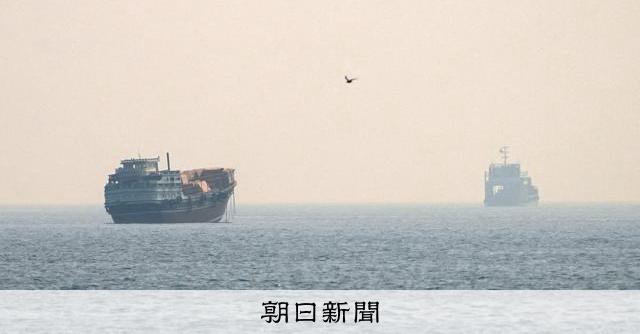
The United States military has launched another attack, justifying the action by citing a violation of a ceasefire agreement. In response to this renewed military action, Iran has declared its intention to block the Strait of Hormuz. This development escalates tensions in the region, with the US citing a breach of agreed-upon terms as the reason for its renewed offensive. The Iranian threat to disrupt maritime traffic through the strategically vital Strait of Hormuz signals a potential for significant geopolitical and economic repercussions. The specifics of the alleged ceasefire violation have not been detailed, but the US action has prompted a strong reaction from Iran. The situation remains volatile, with both sides engaging in actions that could lead to further escalation. The Strait of Hormuz is a critical chokepoint for global oil supplies, making any threat to its closure a matter of international concern. The implications of Iran's potential blockade are far-reaching, impacting not only regional stability but also global energy markets. The international community will be closely monitoring these developments and their potential consequences.
The renewed US military action, framed as a response to a ceasefire violation, introduces a dynamic of reciprocal escalation. The Iranian threat to blockade the Strait of Hormuz, a critical global energy chokepoint, highlights the potent leverage available to regional actors in geopolitical disputes. This situation underscores the inherent fragility of ceasefire agreements in environments marked by deep-seated mistrust and competing strategic interests. Future de-escalation may hinge on establishing transparent verification mechanisms for adherence to agreements and exploring diplomatic pathways that address the underlying security concerns of all parties involved. The potential economic impact of disrupting maritime trade through the Strait of Hormuz necessitates careful consideration of systemic risks and the development of contingency plans by global energy stakeholders.
AI-generated to prompt reflection — not editorial opinion, not advice, not a statement of fact. How this works.