US Strikes Around 90 Iranian Military Targets
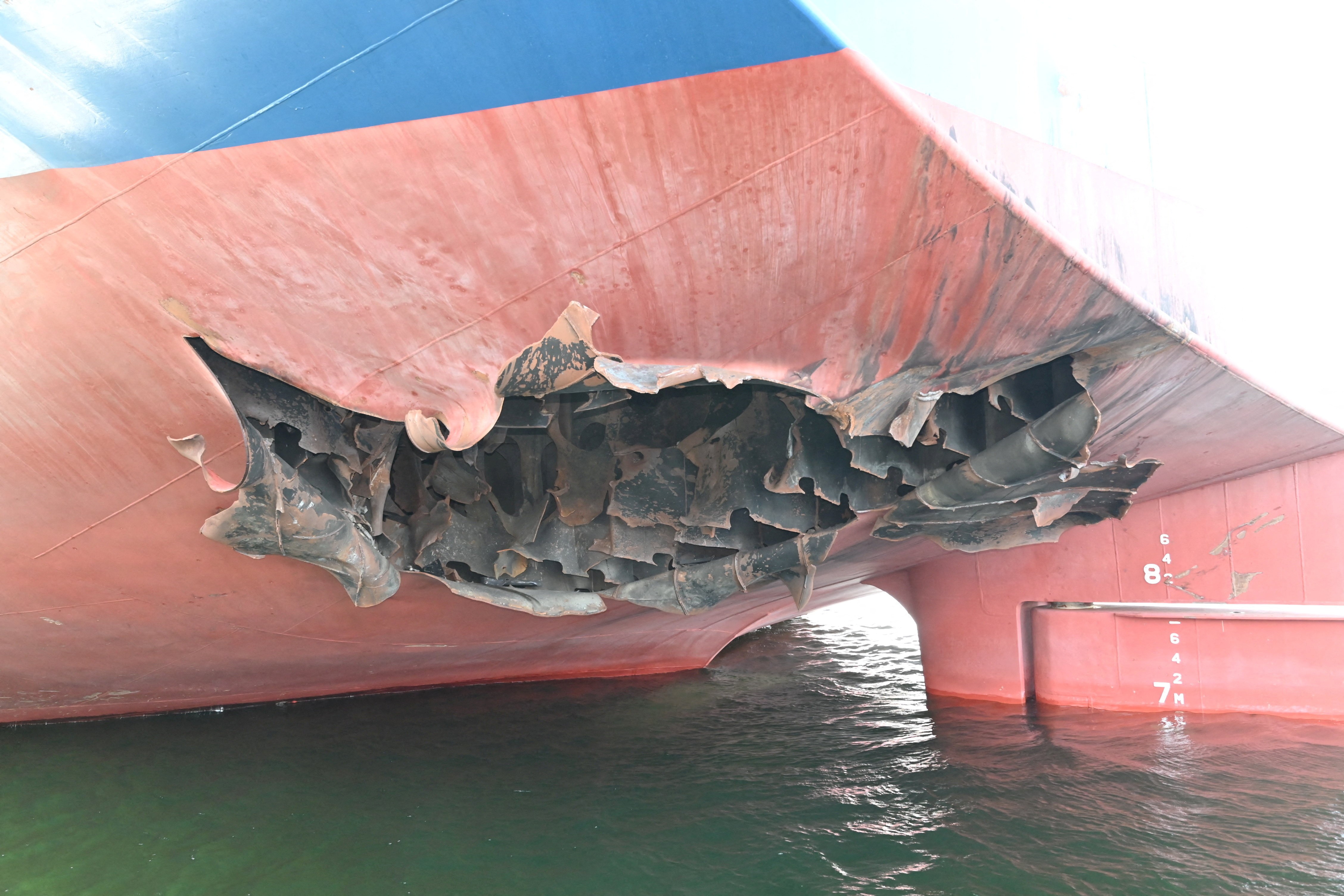
The US Central Command (Centcom) conducted a second wave of strikes against Iran on Wednesday, February 8th, targeting approximately 90 strategic military sites along the Iranian coast. The objective is to degrade Iran's capacity to attack commercial vessels and civilian sailors in the Strait of Hormuz. Destroyed or damaged infrastructure included air defense systems, coastal surveillance assets, missile and drone storage sites, naval capabilities, and military logistics infrastructure. This offensive follows an initial round of attacks on Tuesday, February 7th, when Centcom forces struck around 80 Iranian military targets, including over 60 small vessels belonging to the Islamic Revolutionary Guard Corps (IRGC). The US stated that the initial retaliation was a direct response to Iran's violation of a ceasefire agreement after attacking three commercial vessels in the Strait of Hormuz, a critical global trade and oil transport route. In parallel, Iran's IRGC announced attacks on US military bases in Kuwait and Bahrain and threatened further expansion if the US retaliates again. Iranian state media had previously acknowledged explosions in the Bandar Abbas, Qeshm, and Sirik regions on Tuesday night, during which sirens sounded in US partner countries and air defense systems were activated.
The escalating military actions in the Strait of Hormuz highlight the volatile geopolitical dynamics and the potential for significant disruption to global maritime trade. The US strikes, framed as a response to Iranian aggression against commercial shipping, aim to deter future attacks by degrading military capabilities. However, Iran's counter-actions and threats suggest a complex incentive structure where perceived escalations by one party can trigger retaliatory measures, potentially leading to a broader regional conflict. Future developments will likely depend on the strategic calculations of both nations, international diplomatic efforts, and the resilience of global supply chains to sustained regional instability. The international community faces the challenge of ensuring freedom of navigation while managing the risks of escalation in this vital waterway.
AI-generated to prompt reflection — not editorial opinion, not advice, not a statement of fact. How this works.