US Strikes Intensify Hardship in Iran's South, Shifting Anger to Trump
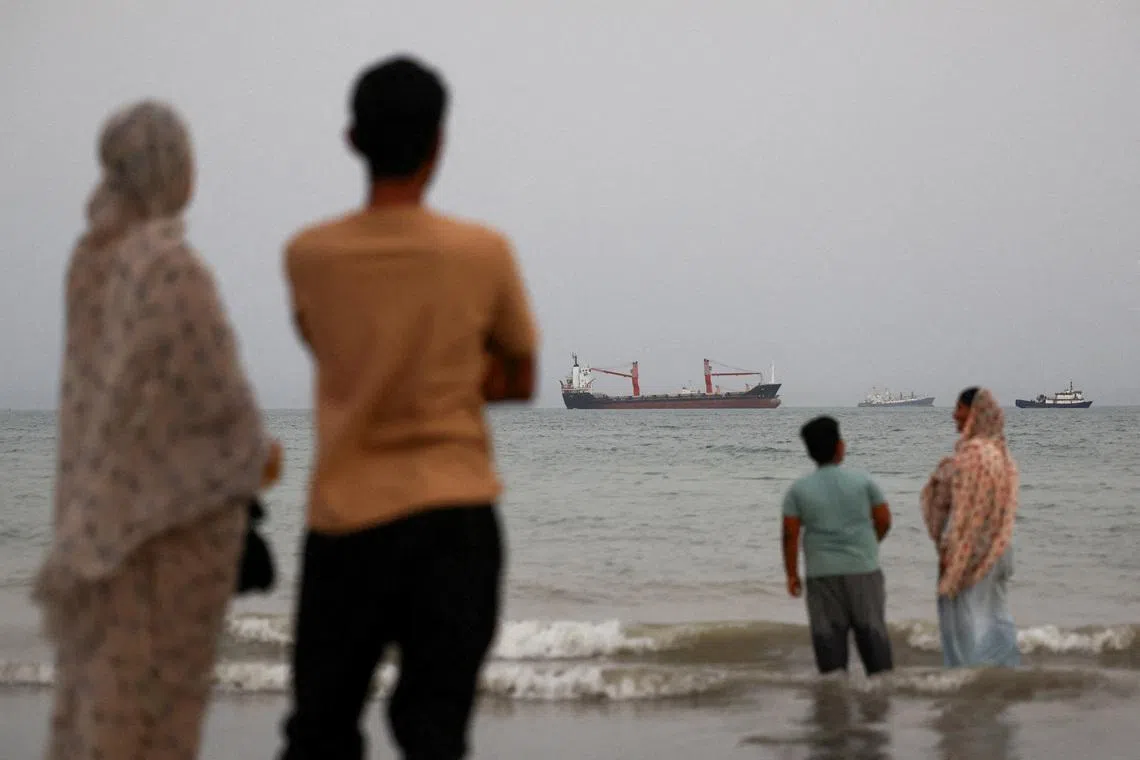
Opposition to Iran's clerical leadership has been a persistent undercurrent in the nation's impoverished southern regions. However, following a series of U.S. strikes this month, many inhabitants are now focusing their resentment on President Donald Trump and the aerial campaign. Residents report that these strikes have significantly disrupted their daily lives, leading to increased hardship. The anger appears to be directed more towards the external military action than towards the ruling establishment. This shift in sentiment highlights the unintended consequences of the U.S. military actions, exacerbating existing difficulties for the local population.
The U.S. military actions in Iran's southern provinces, while intended to exert pressure, appear to be generating unintended consequences by intensifying local hardship and potentially diverting popular discontent towards the external actor. This dynamic suggests a need to critically assess the efficacy of kinetic strategies in achieving desired political outcomes, particularly in regions already facing economic challenges. Future policy considerations might benefit from exploring approaches that address underlying socioeconomic factors and avoid exacerbating humanitarian concerns, thereby fostering more sustainable and less volatile geopolitical environments. The long-term implications of such interventions on regional stability and public sentiment warrant careful, ongoing evaluation.
AI-generated to prompt reflection — not editorial opinion, not advice, not a statement of fact. How this works.