US Strikes Intensify Hardship in Southern Iran, Not Dissent
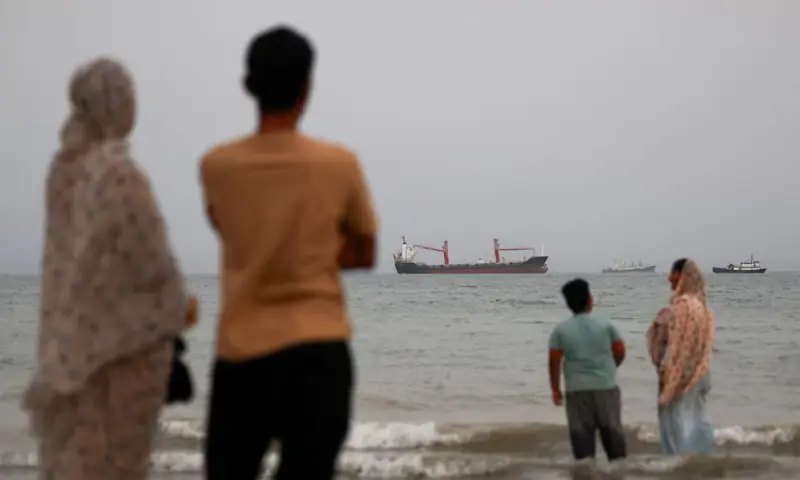
Recent US strikes in southern Iran, targeting ports, energy facilities, and transport infrastructure, have significantly worsened the lives of residents, according to interviews conducted by Reuters. While the US claims these actions aim to curb Iran's threat to shipping through the Strait of Hormuz, many southerners believe the attacks have exceeded legitimate military objectives. Residents report that the strikes have disrupted daily life, leading to prolonged power and water outages, particularly harsh during the region's high summer temperatures. These hardships have fueled anger directed at President Donald Trump, with locals expressing frustration over the economic and personal toll of the conflict. Despite existing opposition to the Iranian government and a history of protests in the impoverished south, the current US military campaign has not generated support for renewed anti-government unrest. Instead, the focus of local discontent appears to be on the negative impacts of the US air campaign. The southern region, encompassing provinces like Khuzestan, Sistan-Baluchistan, Bushehr, and Hormozgan, is home to ethnic and religious minorities and has historically faced issues of low investment and poor public services, which the recent strikes have exacerbated. Even individuals who have participated in past protests indicated they are not currently supporting further unrest, prioritizing an end to the war and a cessation of the US attacks.
The US military actions in southern Iran appear to be creating significant civilian hardship without achieving a stated objective of fomenting internal dissent against the Iranian regime. This outcome suggests a potential miscalculation in the strategy, where the punitive aspect of the strikes is disproportionately impacting the populace, leading to resentment towards the external actor rather than the internal government. The analysis highlights a systemic challenge in asymmetric conflict: the difficulty of targeting an adversary's capabilities without collateral damage that can alienate the local population. Future policy considerations might involve evaluating whether such kinetic actions, particularly in densely populated or economically fragile regions, are the most effective means to achieve strategic goals, or if they inadvertently strengthen the narrative of external aggression, thereby consolidating domestic support for the targeted regime. The long-term implications for regional stability and US foreign policy objectives warrant careful consideration of these unintended consequences.
AI-generated to prompt reflection — not editorial opinion, not advice, not a statement of fact. How this works.