US Strikes Iran 170 Times in 48 Hours, Markets Fear Escalation
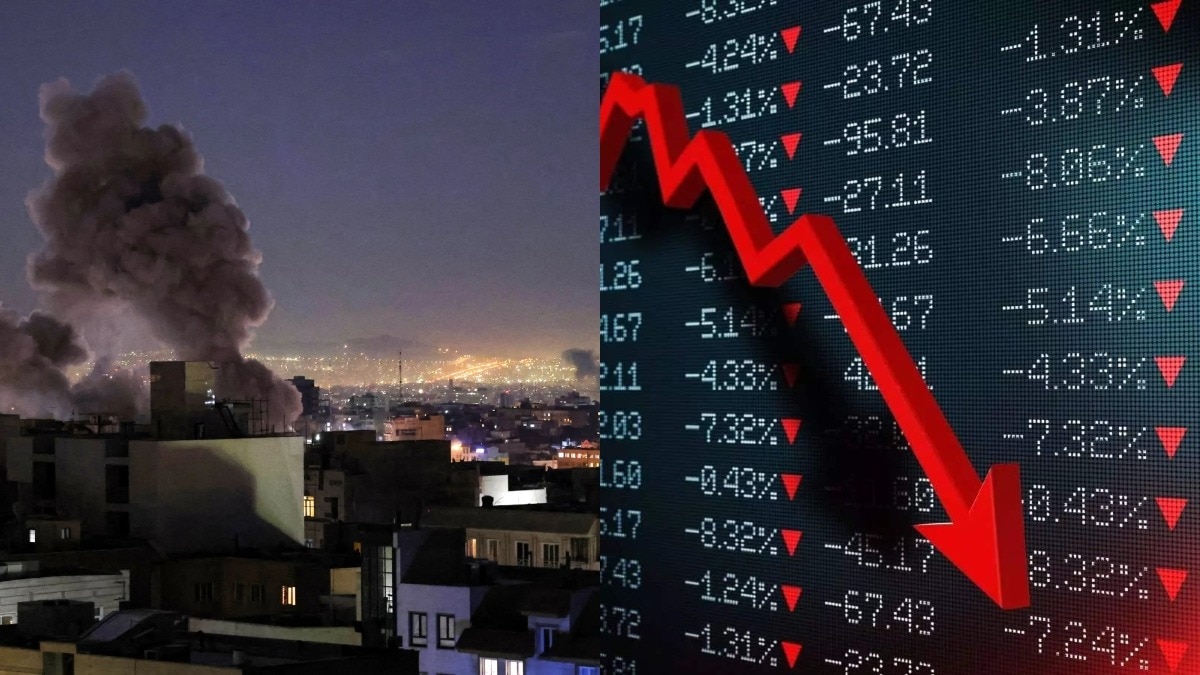
The United States has conducted 170 strikes against Iran in the past 48 hours, significantly deepening regional tensions. This surge in military action has caused widespread fear across stock markets, extending from the US to Asia. Consequently, oil prices are experiencing a rapid increase. The escalating conflict raises concerns about broader economic stability and potential disruptions to global supply chains. Investors are closely monitoring the situation for any further developments that could impact international trade and energy markets. The intensity and frequency of these attacks suggest a significant shift in the geopolitical landscape, prompting a cautious outlook from financial institutions worldwide. The full implications for global markets remain uncertain, but the immediate reaction indicates a heightened sense of risk.
The recent surge in US military actions against Iran, totaling 170 strikes in 48 hours, has predictably triggered significant volatility in global financial markets, particularly evident in rising oil prices and widespread stock market apprehension. This heightened geopolitical risk premium reflects investor concerns over potential supply disruptions and broader regional instability. From a systemic perspective, such rapid escalations can create feedback loops where market reactions amplify underlying tensions, potentially leading to unintended consequences. Looking ahead, the interplay between state-level strategic calculations and market sentiment will be crucial in determining the trajectory of both the conflict and its economic fallout. Investors and policymakers will need to navigate this complex environment, balancing immediate risk management with long-term strategic considerations in an era increasingly defined by geopolitical uncertainty and interconnected economic systems.
AI-generated to prompt reflection — not editorial opinion, not advice, not a statement of fact. How this works.