US Strikes Iran After Attack Kills American Soldiers in Jordan
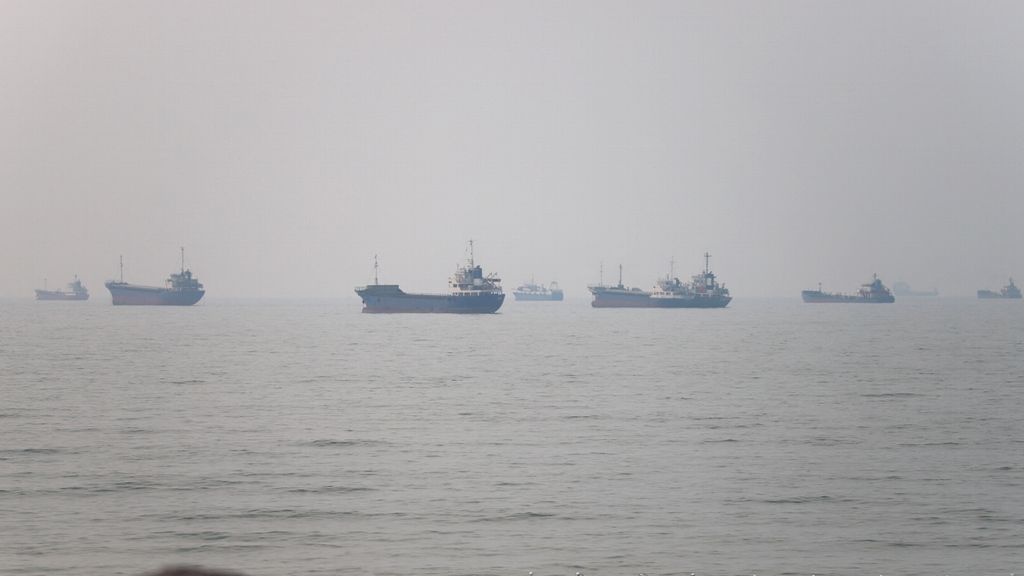
The United States has launched new airstrikes against Iran, aiming to swiftly punish the country following an attack on a military base in Jordan that resulted in the deaths of two American soldiers on Friday. Four other soldiers were injured, and one remains missing. Since the conflict between the US and Iran began in February, a total of sixteen American soldiers have been killed, with over 400 sustaining injuries. The recent airstrikes occurred near the Strait of Hormuz, with one attack reportedly near the port city of Sirik, according to Iran's state news agency INRA. Explosions were also heard in the port city of Bandar Abbas and around Qeshm, an island in the Strait of Hormuz. In neighboring Iraq, a base belonging to the Kurdistan Freedom Party (PAK) in Erbil was also targeted, injuring eight members, as reported by the party. This region has experienced previous attacks, with both Iran and Iran-backed militias having targeted the Kurdish region in the past. Separately, Iran's Supreme Leader, Mojtaba Khamenei, has suspended a recently reached agreement with the United States. Khamenei stated that the US repeatedly violated the accord, rendering President Trump's signature meaningless. President Trump had previously indicated the agreement was effectively over. Khamenei, who succeeded his father in March after his death in US-Israeli airstrikes, has not appeared publicly since then and missed his father's six-day funeral.
The escalation of military actions between the US and Iran, triggered by an attack on a Jordanian base, highlights the volatile geopolitical landscape in the region. The reciprocal strikes and suspension of agreements suggest a breakdown in diplomatic channels and a potential for further conflict. The involvement of proxy groups and the targeting of regional actors like the PAK indicate a complex web of alliances and rivalries. Looking ahead, the continued reliance on military responses rather than de-escalation strategies could lead to a prolonged period of instability, impacting regional security and global energy markets. The internal political dynamics within Iran, particularly the succession of leadership, may also influence its foreign policy decisions and its approach to international relations in the coming decade.
AI-generated to prompt reflection — not editorial opinion, not advice, not a statement of fact. How this works.