US Strikes Iran After Attacks on Commercial Ships in Strait of Hormuz
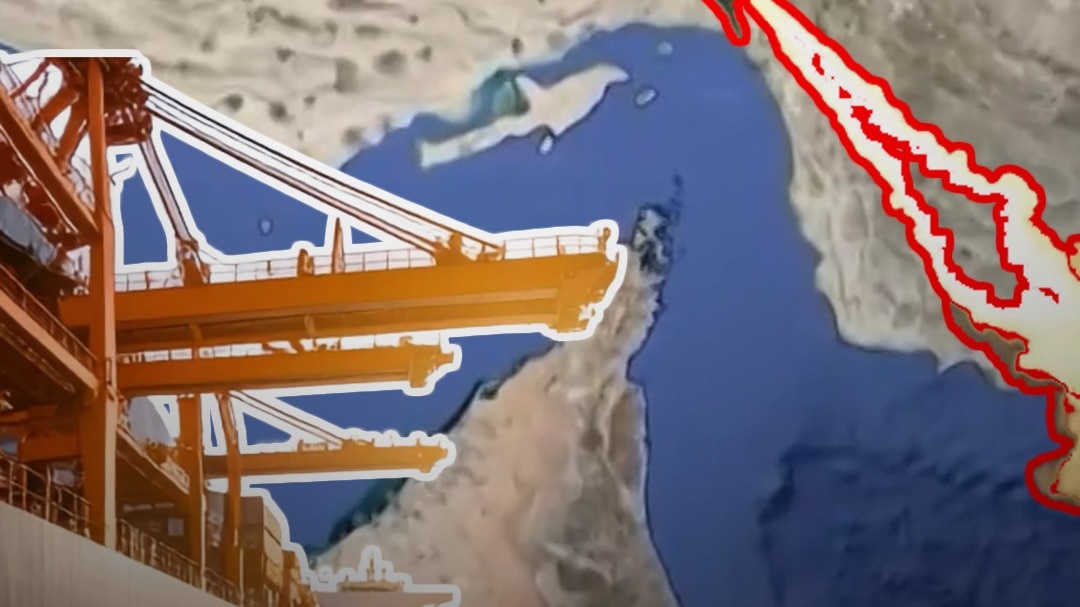
Tensions between the United States and Iran have escalated following attacks on commercial vessels in the Strait of Hormuz. The U.S. Central Command has confirmed military action against several Iranian targets in response to the incidents. Iran has voiced its opposition to these U.S. actions. In light of the heightened tensions, maritime security agencies have raised the threat level for ships transiting the Strait of Hormuz. They are advising vessels to exercise extreme caution while navigating the vital waterway. The U.S. military's response indicates a significant escalation in the ongoing friction between the two nations. This development raises concerns about the stability of the region and the safety of international shipping lanes. The situation underscores the precarious geopolitical climate surrounding the Strait of Hormuz, a critical chokepoint for global oil trade.
The U.S. military action in response to attacks on commercial shipping in the Strait of Hormuz represents a direct escalation, shifting from diplomatic or economic pressure to kinetic engagement. This move, while framed as a defensive measure, carries inherent risks of further retaliation and broader regional conflict. The strategic imperative for the U.S. is to ensure freedom of navigation and deter future attacks, but the method chosen could destabilize energy markets and international relations. From a long-term perspective, the reliance on military responses to address complex geopolitical challenges in critical maritime chokepoints may prove unsustainable, potentially necessitating more robust diplomatic frameworks and multilateral security cooperation to manage such disputes effectively in the coming decade.
AI-generated to prompt reflection — not editorial opinion, not advice, not a statement of fact. How this works.