US Strikes Iran After Confirming First American Soldier Deaths Since Hostilities Resumed
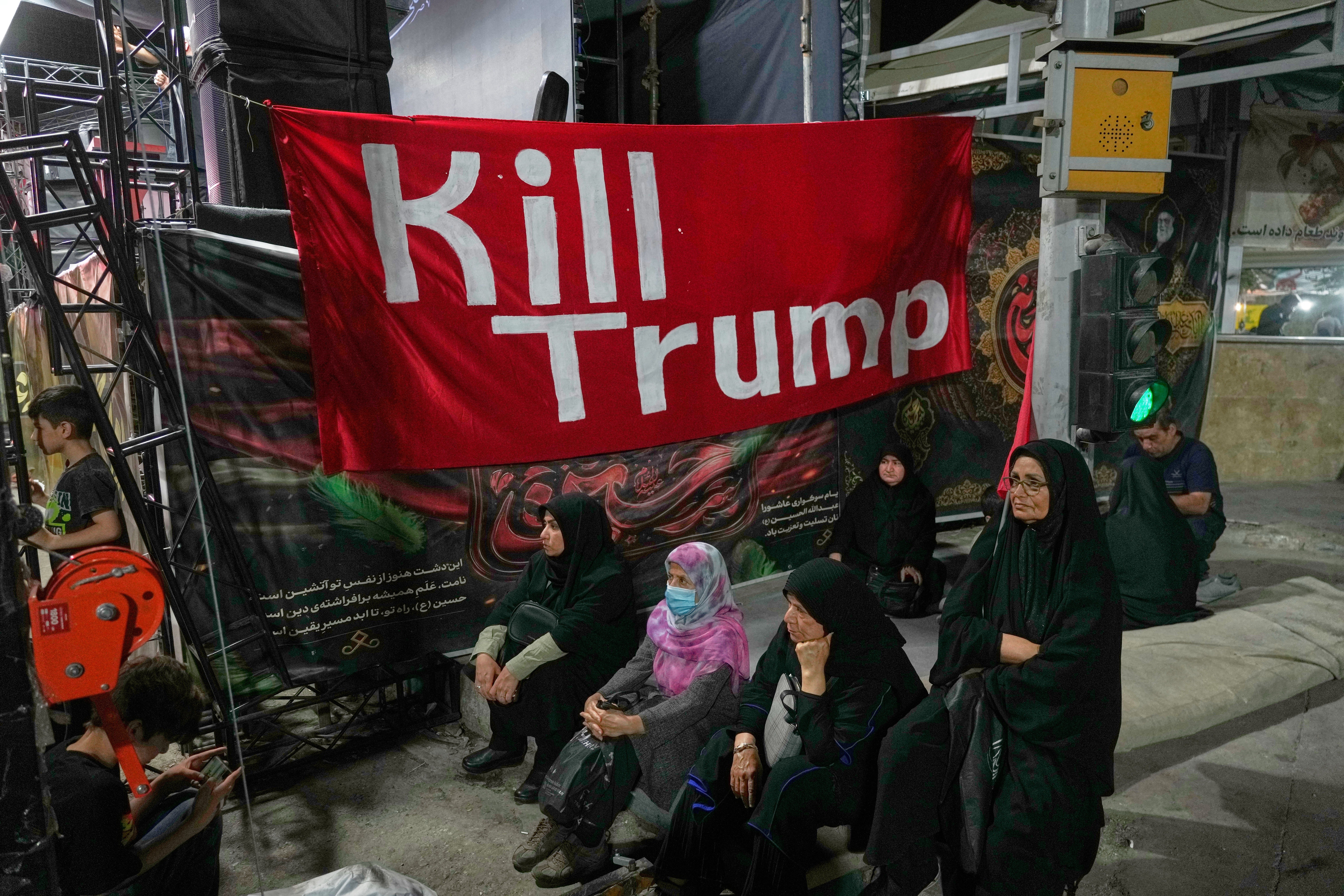
The United States conducted new airstrikes against Iran on Sunday, July 19th, following confirmation of the first American military fatalities since hostilities with the Islamic Republic resumed on July 7th. The US Army had announced on Saturday, July 18th, the deaths of two soldiers and the disappearance of a third in missile and drone attacks attributed to Iran on July 17th in Jordan. In response, the US targeted Iranian military facilities and Islamic Revolutionary Guard Corps (IRGC) forces involved in the Jordan attacks, according to the US Central Command (Centcom). Iranian state media reported US strikes in Sirik, a port in the Strait of Hormuz, and near Hajiabad in Hormozgan province. Attacks also reportedly targeted a nuclear power plant under construction in Darkhovin. These escalations follow a period of intense conflict that began on February 28th with an Israeli-US offensive against Iran, followed by a ceasefire in April, and a resumption of hostilities on July 7th. Iran's Supreme Leader, Mojtaba Khamenei, threatened an "unforgettable lesson" for the US, while General Ali Abdollahi vowed a "decisive and devastating response" to any American attack. Iranian health ministry figures indicate at least 50 deaths and over 500 injuries from US bombings since June 27th, with 16 American soldiers killed since the war's start. Meanwhile, Kuwait and Bahrain reported Iranian attacks on Sunday, targeting power and desalination plants in Kuwait and prompting air defense responses in Bahrain. Sirens also sounded in Amman, Jordan, and Israel reported intercepting a missile aimed at Aqaba. The IRGC also announced blocking four ships in the Strait of Hormuz, with two sustaining damage, warning that attacks would continue until calm is restored.
The recent exchange of strikes between the United States and Iran, escalating after the confirmed deaths of American soldiers in Jordan, highlights the volatile geopolitical landscape of the Middle East. The conflict, reignited after a brief ceasefire, underscores the complex interplay of regional security concerns, proxy actions, and international maritime trade routes, particularly the Strait of Hormuz. The reported Iranian attacks on US-allied nations like Kuwait and Bahrain, alongside US strikes on Iranian soil, suggest a widening theater of conflict. Future developments will likely depend on the strategic calculations of both nations, considering the potential for further escalation, the impact on global energy markets, and the broader implications for regional stability in the coming decade. The involvement of non-state actors and the targeting of critical infrastructure also present significant challenges for de-escalation and long-term conflict resolution.
AI-generated to prompt reflection — not editorial opinion, not advice, not a statement of fact. How this works.