US Strikes Iran After IRGC Hits Container Ship; Strait of Hormuz Closed
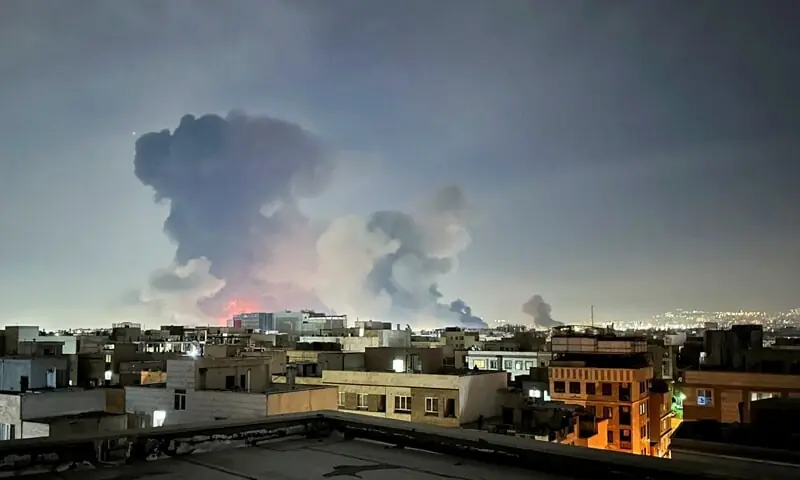
The United States military conducted new strikes against Iran, marking the third such action in a week, following an incident where the Islamic Revolutionary Guard Corps (IRGC) struck a container ship in the Strait of Hormuz on Sunday. Iranian state media reported explosions in several port cities after the US strikes. These escalating attacks have led President Donald Trump to declare the end of a ceasefire established on February 28, though he has indicated a willingness for continued negotiations. Iran announced the closure of the Strait of Hormuz after firing a warning shot that hit the M/V GFS Galaxy, a Cyprus-flagged container ship, causing significant engine-room damage and a missing civilian crew member. The UK Maritime Trade Operations Centre confirmed the crew abandoned the damaged vessel east of Oman. In response to the container ship incident, Iran's Revolutionary Guards claimed to have destroyed a command and control center and drone hangars at a base in Jordan. The United Arab Emirates reported its air defense systems engaged missiles and drones from Iran, while Qatar intercepted a missile attack, and explosions were heard in Bahrain and Doha. The IRGC stated the Strait of Hormuz would remain closed until "the end of US interference in this region," demanding Tehran publicly cease attacks and ensure open passage. Iran's Foreign Minister Abbas Araghchi accused the US of violating the ceasefire, emphasizing the need for mutual compliance. The US had previously revoked the license for Iranian crude sales after earlier tanker attacks. Oman and Iran are reportedly discussing a proposal for safe passage through the Strait, which previously handled one-fifth of global oil and LNG supplies. A statement from Iran's new supreme leader, Ayatollah Mojtaba Khamenei, vowed vengeance for his father's assassination during the war's initial attacks.
The escalating conflict between the US and Iran, centered on the critical Strait of Hormuz, highlights the fragility of de-escalation efforts in a region vital for global energy transit. The IRGC's actions against commercial shipping, coupled with US retaliatory strikes, demonstrate a dangerous cycle of actions and reactions that threaten to destabilize energy markets and global supply chains. Iran's closure of the strait, framed as a response to "US interference," presents a significant geopolitical lever, impacting global energy prices and potentially influencing political outcomes, such as the upcoming US congressional elections. The ongoing diplomatic efforts, including proposals facilitated by Oman, suggest a recognition of the severe economic consequences of prolonged conflict. Looking ahead, the integration of AI and autonomous systems in naval and air defense could further complicate future confrontations, necessitating robust international frameworks for maritime security and transparent communication channels to prevent unintended escalation.
AI-generated to prompt reflection — not editorial opinion, not advice, not a statement of fact. How this works.