US Strikes Iran After Oil Tankers Attacked in Strait of Hormuz
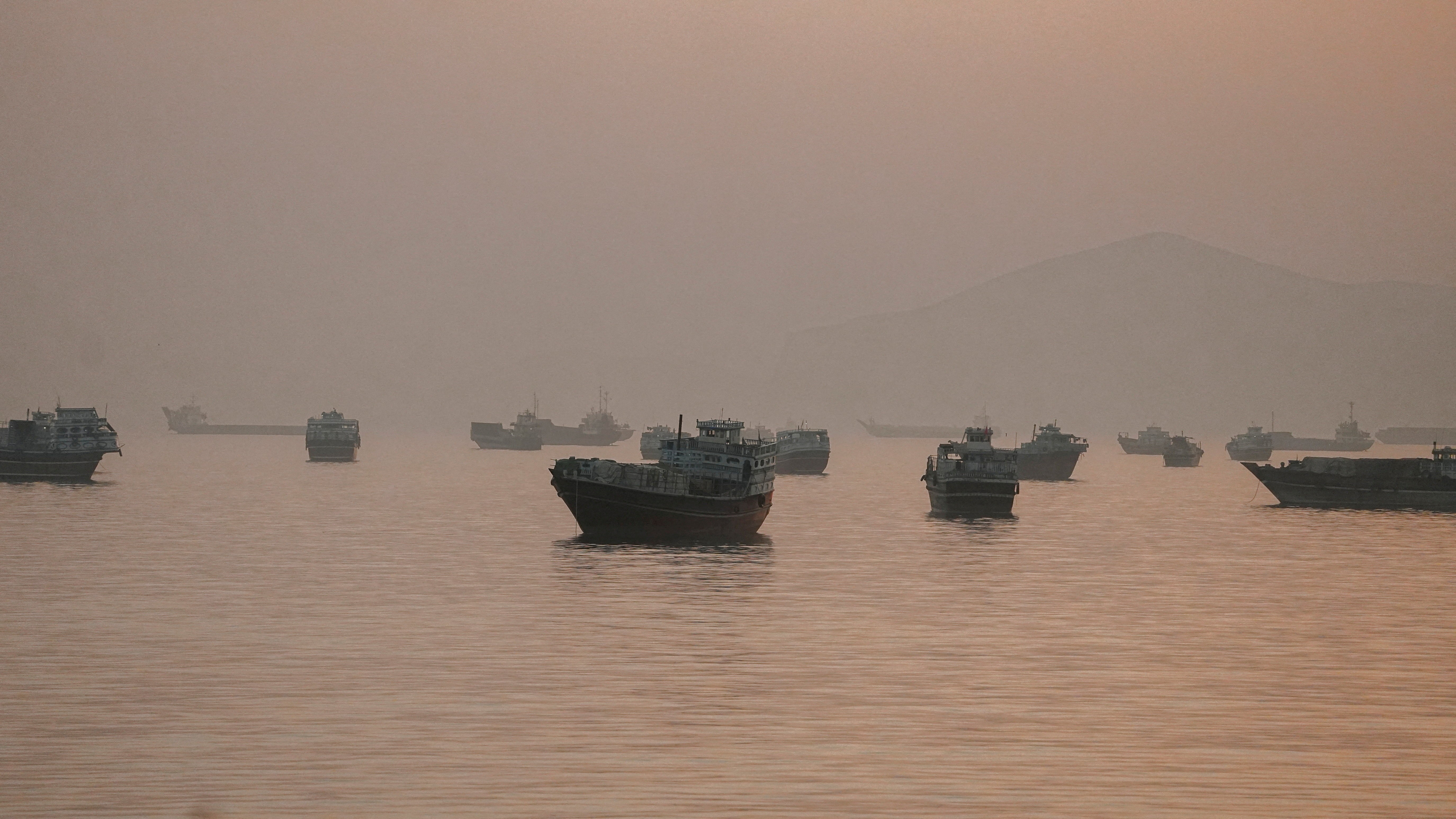
The United States has launched "powerful" strikes against Iran following attacks on three commercial vessels in the Strait of Hormuz. The US Central Command (Centcom) announced the offensive on Tuesday, stating its purpose was to impose a "high cost" on those attacking commercial ships. Iran's Deputy Foreign Minister, Kazem Gharibabadi, condemned the US action as a violation of a recent memorandum of understanding between the two nations and warned of decisive measures. The three oil tankers were struck within a 24-hour period, with no reported casualties. In response, a US government official stated Iran would face consequences for the "totally unacceptable" incidents. Centcom confirmed the bombings were in retaliation for Iranian attacks, calling Iran's aggression "unjustified, dangerous and a clear violation of the ceasefire." Concurrently, the US Treasury Department revoked a sanctions waiver that had temporarily eased restrictions on Iranian oil exports. This authorization, part of the previous month's understanding, allowed Iran to sell oil and derivatives. A transition period until July 17 has been granted for transactions previously permitted by the waiver. Iran's Foreign Ministry decried this decision as a violation of the memorandum, demonstrating US "bad faith, inconsistency and unreliability," and vowed to take all necessary measures to protect its national interests. Qatar and Saudi Arabia also condemned the incidents, reporting their own flagged tankers were hit near the Strait of Hormuz and holding Iran responsible. Qatar's Foreign Ministry spokesperson, Majed Al Ansari, stated Iran is "fully responsible" for an apparent attack on the vessel Al-Rekayyat and urged Iran to cease actions compromising regional security and global energy supply. Saudi Arabia's Foreign Ministry reported its tanker Wadyan was also struck, calling the attacks a "threat to the safety of international navigation and the global energy supply." Iran's Foreign Ministry spokesperson, Esmail Baghaei, dismissed Qatar's accusations as contrary to good neighborliness, suggesting commercial vessels using uncoordinated routes or manipulating tracking systems risk collisions and hinder Iran's efforts to ensure safe passage. The UK Maritime Trade Operations (UKMTO) reported one tanker sustained a fire after an unknown projectile hit its engine room, while two others suffered minor structural damage or continued to their destination.
The escalation between the US and Iran following attacks on commercial shipping in the Strait of Hormuz highlights the persistent fragility of regional security and international trade routes. The US response, involving military strikes and the revocation of sanctions waivers, appears aimed at deterring further aggression and signaling resolve. However, this kinetic and economic pressure risks further inflaming tensions and potentially unraveling delicate diplomatic understandings. Iran's counter-narrative, attributing risks to uncoordinated shipping and asserting control over the Strait, suggests a strategic attempt to leverage its geographic position and frame its actions as defensive. The involvement of regional powers like Qatar and Saudi Arabia underscores the broader implications for global energy markets and the complex web of alliances and rivalries in the Persian Gulf. Moving forward, the challenge lies in de-escalating the immediate conflict while addressing the underlying systemic issues that contribute to such volatile incidents, balancing deterrence with diplomatic engagement to ensure sustained maritime security and energy stability.
AI-generated to prompt reflection — not editorial opinion, not advice, not a statement of fact. How this works.