US Strikes Iran After Troops Killed in Jordan; Tehran Hits US Bases in Kuwait
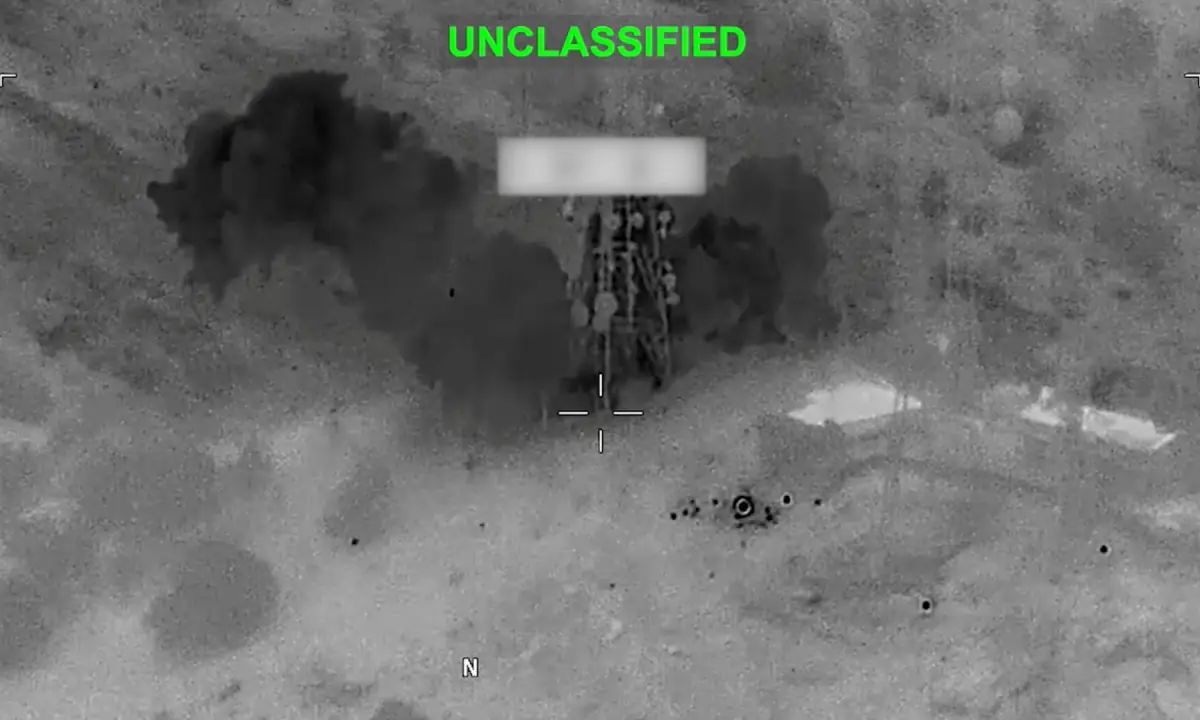
The United States initiated new airstrikes against Iran early Sunday, responding to the deaths of two US service members in Jordan and the disappearance of another following an Iranian attack. In retaliation, Iran's army announced it had targeted two US bases in Kuwait with drones. The Islamic Republic's army stated these were "large-scale attacks with kamikaze drones" against the US military's ammunition depot at Camp Udairi and radar systems at Ali Al Salem Air Base, as reported by state broadcaster Iran.
US Central Command confirmed the airstrikes commenced at 6 PM ET, directed by President Donald Trump, aiming to degrade Iran's ability to threaten shipping in the Strait of Hormuz and punish IRGC forces responsible for the Jordan attack. Earlier, Iran's supreme leader had warned Washington would face consequences for escalating the conflict. Iranian news agencies reported US strikes near Sirik in southern Iran and on Qeshm Island, though no casualties or infrastructure damage were immediately confirmed by Iran. The conflict, which began in late February with US and Israeli strikes on Iran, has intensified since a ceasefire deal collapsed last week, raising concerns of a wider war.
US defense officials reported the two troop deaths occurred Friday, with a third service member missing, bringing the total US casualties since the conflict began to 16 killed and over 420 wounded. Iran had previously targeted US allies including Kuwait, Bahrain, and Jordan on Saturday, following US strikes on Iranian infrastructure. Senior Iranian military advisors have warned of a shift to "full-scale offensive operations" if US strikes persist. The ongoing conflict has disrupted energy supplies, fueled inflation fears, and created a struggle for control of the Strait of Hormuz.
The escalating military actions between the US and Iran, triggered by the deaths of American personnel in Jordan, highlight a dangerous cycle of retaliation. Both nations are employing kinetic responses, with the US citing the need to degrade Iranian capabilities and punish specific actors, while Iran frames its actions as necessary countermeasures. This tit-for-tat escalation risks further destabilizing the region and potentially drawing in other actors, particularly concerning the critical Strait of Hormuz. The current trajectory suggests a hardening of positions, making diplomatic de-escalation increasingly challenging. Future developments will likely depend on the perceived strategic gains versus the escalating costs and risks of prolonged conflict, with significant implications for global energy markets and regional security architectures.
AI-generated to prompt reflection — not editorial opinion, not advice, not a statement of fact. How this works.