US Strikes Iran Again Amid Fragile Truce Following Tanker Attacks
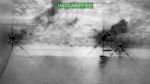
The United States has once again conducted airstrikes against targets within Iran, escalating tensions in the Strait of Hormuz. This action was reportedly a direct response to recent attacks on oil tankers in the vital waterway. In addition to the military strikes, the US has also reinstated previously imposed sanctions on Iran. The situation remains volatile, with reports indicating Iranian counterattacks occurring early Wednesday morning. This cycle of strikes and counterstrikes highlights the precarious nature of the current truce and the ongoing friction between the two nations. The repeated targeting of maritime assets in the Strait of Hormuz underscores its strategic importance and the risks associated with international shipping in the region. The reinstatement of sanctions suggests a broader strategy by the US to exert economic pressure on Iran, alongside military actions. The ongoing conflict has significant implications for regional stability and global energy markets.
The renewed US military actions and sanctions against Iran, framed as a response to tanker attacks, illustrate a recurring pattern of escalation in the Strait of Hormuz. This dynamic suggests a complex interplay of geopolitical interests, security concerns, and economic leverage. The strategic importance of the Strait for global energy supply chains makes any disruption a significant international issue. The US approach, combining kinetic strikes with economic sanctions, reflects a dual-pronged strategy to deter perceived Iranian aggression and influence its regional behavior. However, such actions risk further entrenching adversaries and potentially triggering wider conflicts, impacting global trade and stability. Future policy considerations might explore de-escalation mechanisms and diplomatic channels to manage these persistent tensions, particularly in light of evolving regional power balances and the increasing role of non-state actors.
AI-generated to prompt reflection — not editorial opinion, not advice, not a statement of fact. How this works.