US Strikes Iran Amid Accusations of Ceasefire Violation
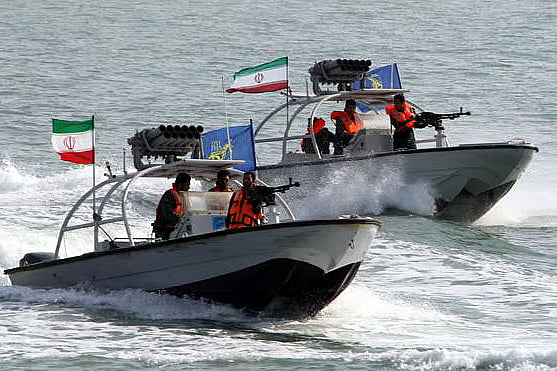
The United States has launched retaliatory strikes against Iran, citing Iran's alleged attacks on commercial vessels in the Strait of Hormuz. U.S. Central Command (CENTCOM) announced on social media platform X that its forces have initiated a series of powerful strikes. CENTCOM stated that these actions are intended to impose a significant cost on Iran for targeting commercial ships carrying innocent civilian sailors on an international waterway. The strikes were reportedly in response to Iran's attacks on three commercial vessels transiting the Strait of Hormuz, which the U.S. described as "unreasonable, dangerous, and a clear violation of the ceasefire."
While CENTCOM did not specify the exact location of the strikes within Iran, Iranian media reported sounds of several explosions near the Sirik and Qeshm areas in southern Iran. These incidents occur despite an ongoing ceasefire between the U.S. and Iran and efforts to secure a permanent peace agreement. The Strait of Hormuz is a critical global shipping lane, responsible for transporting one-fifth of the world's oil and gas.
Meanwhile, Iran has accused the United States of violating a memorandum of understanding signed on June 18th, which aimed to finalize a ceasefire and ensure lasting peace. Iran alleges that the U.S. has breached Article 10 of this agreement by revoking a "temporary exemption" on sanctions related to Iran's oil sales. The Iranian Foreign Ministry stated that this violation, occurring less than 20 days after the agreement was signed, demonstrates that the U.S. administration cannot be trusted.
The recent U.S. strikes in Iran, framed as retaliation for maritime attacks, highlight the persistent geopolitical tensions in the Strait of Hormuz, a vital global energy chokepoint. The U.S. justification, based on alleged Iranian aggression against commercial shipping, contrasts with Iran's counter-accusation of U.S. violation of a recent ceasefire and sanctions relief agreement. This situation underscores the fragility of diplomatic efforts in a region prone to proxy conflicts and strategic competition. The differing narratives suggest a complex interplay of national security interests, economic pressures from sanctions, and the strategic importance of maritime routes. Future de-escalation will likely depend on the verifiable adherence to agreements by both parties and the establishment of robust communication channels to prevent miscalculation and unintended escalation in this critical waterway.
AI-generated to prompt reflection — not editorial opinion, not advice, not a statement of fact. How this works.