US Strikes Iran Amid Rising Tensions in Strait of Hormuz
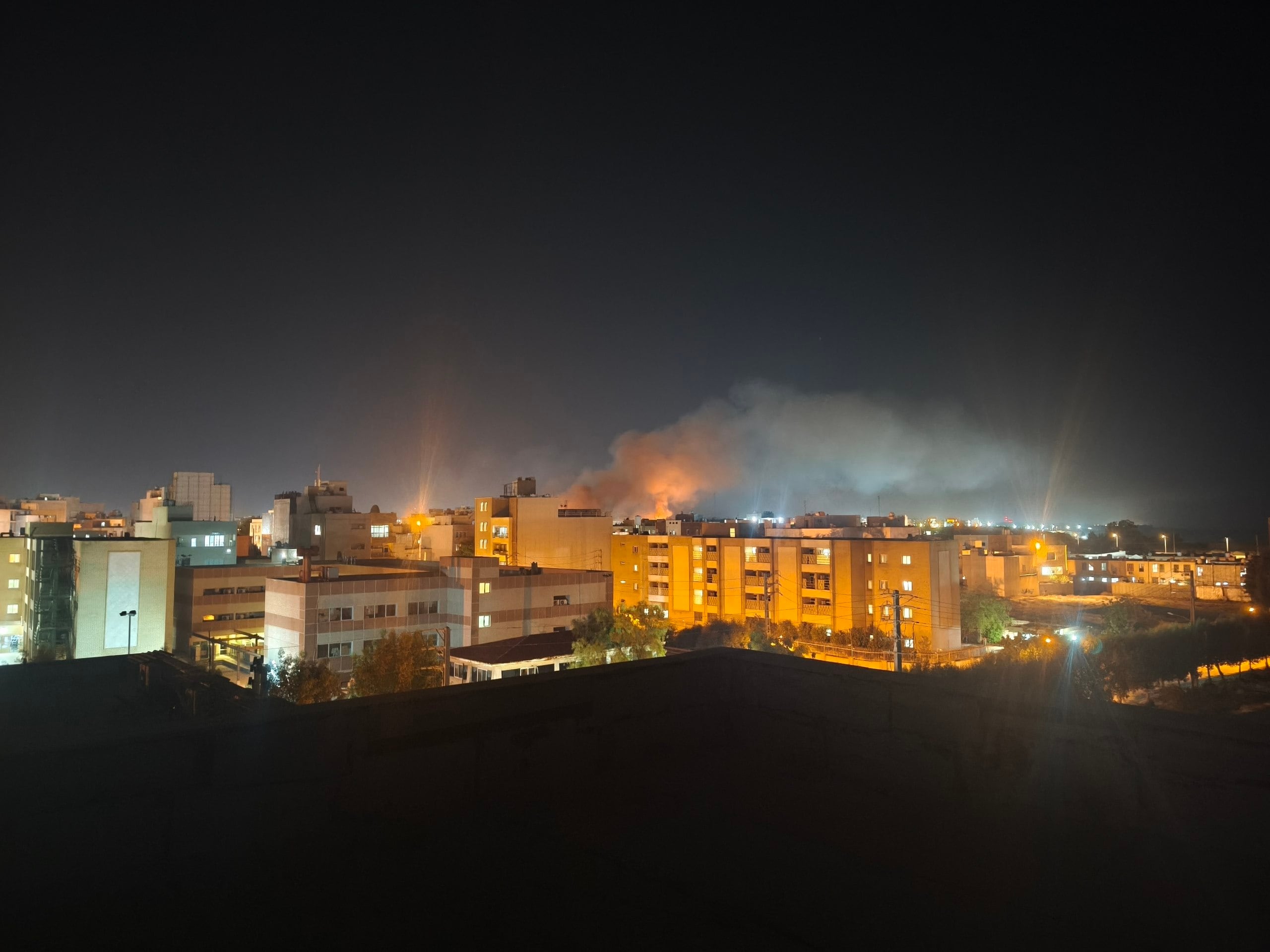
The United States Central Command has announced further strikes against Iran, aiming to diminish Tehran's capacity to threaten freedom of navigation in the Strait of Hormuz. This action follows an increase in tensions in the crucial maritime passage. President Trump stated that the strikes were a direct retaliation for Iran's alleged bombing of vessels the previous day. The US military's objective is to maintain the security and unimpeded flow of maritime traffic through this strategically vital waterway. The ongoing actions underscore the escalating geopolitical situation in the region and the potential for further conflict. The specific details of the vessels targeted or the extent of damage were not immediately disclosed. This development highlights the persistent challenges in ensuring global maritime security in areas of heightened political sensitivity.
The US military actions in the Strait of Hormuz, framed as defensive measures to ensure freedom of navigation, occur within a context of escalating regional tensions. The stated objective of degrading Iran's capacity to threaten maritime traffic suggests a strategic intent to deter future provocations. However, such kinetic responses, even if retaliatory, carry inherent risks of escalation, potentially drawing in other regional or global powers. The underlying incentive structures involve balancing national security interests with the broader goal of maintaining international trade routes, while navigating complex diplomatic and geopolitical landscapes. Future developments will likely depend on the effectiveness of these measures in deterring further aggression and the broader diplomatic efforts to de-escalate the situation.
AI-generated to prompt reflection — not editorial opinion, not advice, not a statement of fact. How this works.