US Strikes Iran Amid Tensions, Hormuz Strait Closure
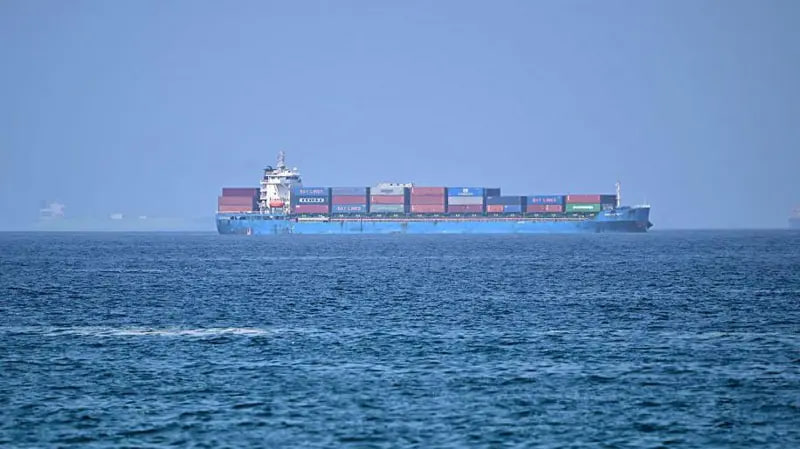
The situation around Iran has escalated with the United States launching new strikes. Concurrently, the vital Hormuz Strait has reportedly been closed again. Mujtaba Khamenei, son of Iran's Supreme Leader, has vowed revenge for actions taken against his father. This development follows a period of heightened tensions in the region. The closure of the Hormuz Strait, a critical chokepoint for global oil transport, is likely to have significant economic repercussions. The specific targets and extent of the new US strikes have not yet been fully detailed. Mujtaba Khamenei's statement indicates a potential for further escalation of conflict. The international community is closely monitoring the unfolding events and their implications for regional stability.
The recent US strikes against Iran and the reported closure of the Hormuz Strait signify a critical juncture in regional geopolitics. The strategic importance of the Hormuz Strait for global energy markets means its closure carries substantial economic risks, potentially impacting supply chains and prices worldwide. Mujtaba Khamenei's vow of revenge, while a predictable response in such a charged environment, highlights the deep-seated animosity and the potential for a protracted conflict. This situation underscores the complex interplay of national security interests, economic leverage, and ideological posturing that characterizes the region. Future developments will likely hinge on de-escalation efforts, diplomatic interventions, and the broader geopolitical calculus of major global powers, particularly in the context of evolving energy landscapes and technological advancements.
AI-generated to prompt reflection — not editorial opinion, not advice, not a statement of fact. How this works.