US Strikes Iran Amidst Trump's Threat of 'Massive Attack' as Iran Escalates Conflict
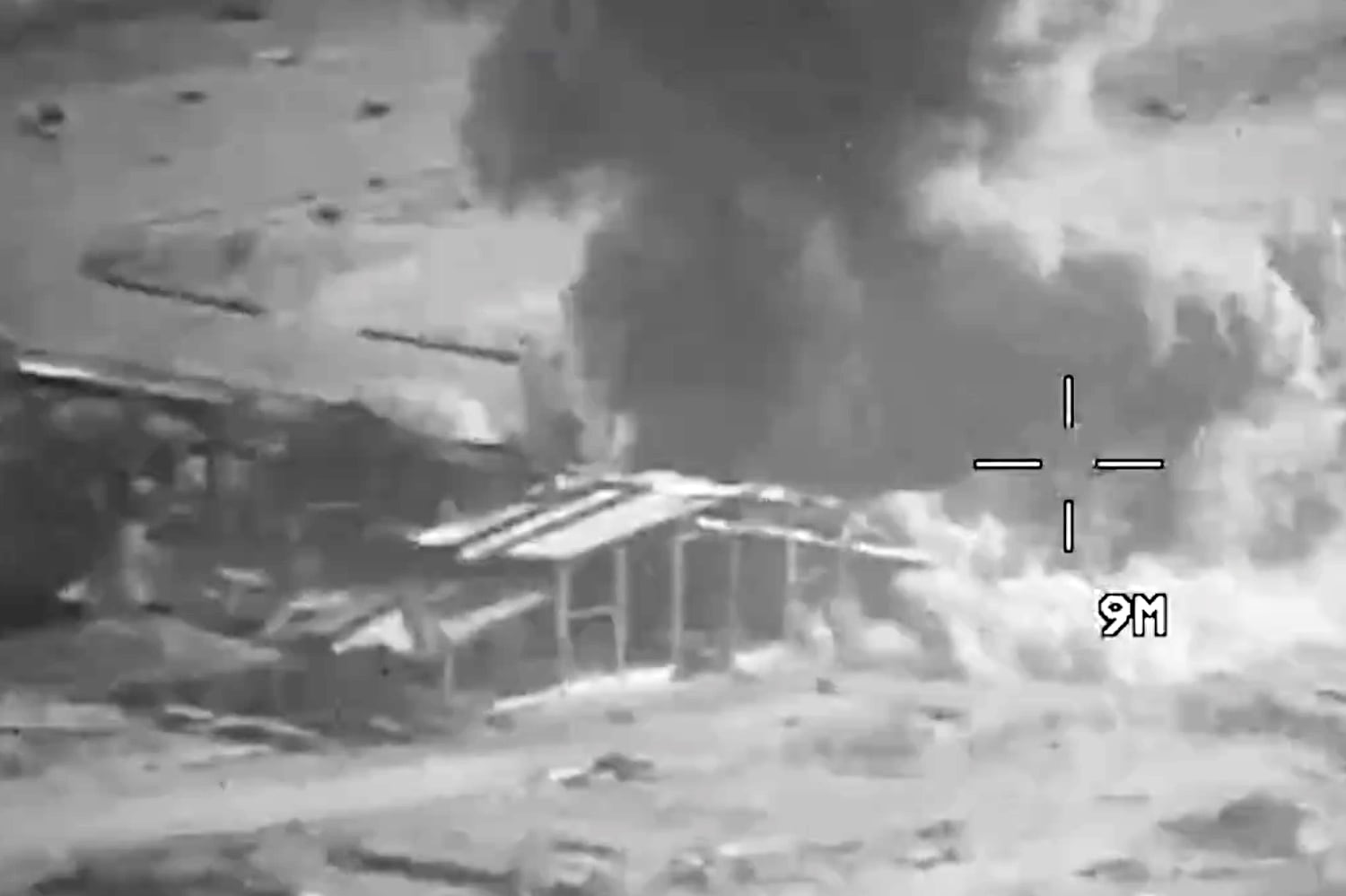
The United States conducted a new series of airstrikes against Iran overnight. This action follows President Donald Trump's declaration of a potential "massive attack" by the US. The escalation comes as Iran has reportedly opened a second front in its ongoing efforts to pressure the global economy. The specific targets and full extent of the US strikes were not detailed in the provided information. However, the situation indicates a significant increase in military tensions between the two nations. President Trump's threat suggests a willingness to employ substantial force in response to Iran's actions. The mention of Iran widening its war implies a broader strategic move beyond direct military confrontation. This could involve economic warfare, cyberattacks, or proxy actions aimed at destabilizing international markets. The dual nature of the conflict—military strikes and economic pressure—highlights a complex geopolitical challenge. The international community will likely be monitoring these developments closely due to their potential impact on global stability and energy markets.
The escalating military actions and rhetoric between the United States and Iran suggest a dangerous cycle of retaliation and counter-retaliation. This dynamic, characterized by direct strikes and broader economic pressure, risks unintended consequences and wider regional destabilization. From a geopolitical perspective, such conflicts often stem from complex incentive structures involving national security, regional influence, and domestic political considerations. The potential for economic disruption, particularly concerning global markets, underscores the interconnectedness of international relations and the significant externalities of such disputes. Looking ahead, the challenge lies in de-escalating tensions and finding diplomatic pathways that address the underlying grievances without resorting to further military or economic coercion, thereby mitigating risks to global stability and economic well-being.
AI-generated to prompt reflection — not editorial opinion, not advice, not a statement of fact. How this works.