US Strikes Iran for 13th Consecutive Night; Explosions Heard Near Bandar Abbas
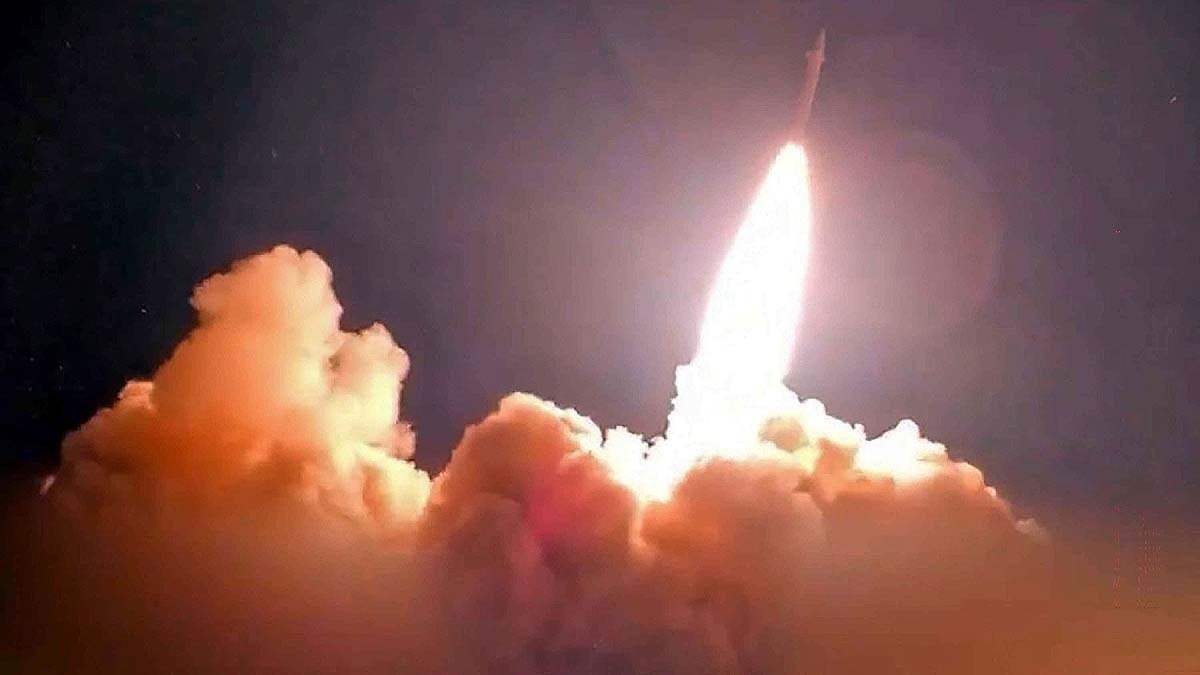
The United States has conducted airstrikes against Iran for the 13th night in a row. Explosions were reported in the western part of Bandar Abbas, a significant port city. This escalation follows increased tensions concerning the Strait of Hormuz, a vital waterway for global oil transport. The repeated strikes indicate a sustained military engagement between the two nations. The specific targets and objectives of these nightly attacks have not been detailed. However, the ongoing actions suggest a significant and prolonged conflict is underway. The Strait of Hormuz remains a critical chokepoint, and any disruption there has far-reaching implications for international trade and energy markets. The continuous nature of the U.S. strikes highlights a determined strategy, the full scope of which remains unclear.
The sustained U.S. military actions against Iran, occurring over 13 consecutive nights and involving strikes near Bandar Abbas, suggest a strategic objective to exert consistent pressure. The focus on the Strait of Hormuz indicates a potential aim to control or influence maritime traffic in this critical global energy chokepoint. This approach, while demonstrating resolve, carries inherent risks of escalation and unpredictable regional destabilization. Future geopolitical stability may depend on de-escalatory measures and clear communication channels to manage the complex dynamics of the region. The long-term implications of such persistent military engagement warrant careful observation regarding international law, regional power balances, and global economic impacts.
AI-generated to prompt reflection — not editorial opinion, not advice, not a statement of fact. How this works.