US Strikes Iran for Ninth Day Amid Escalating Strait of Hormuz Tensions
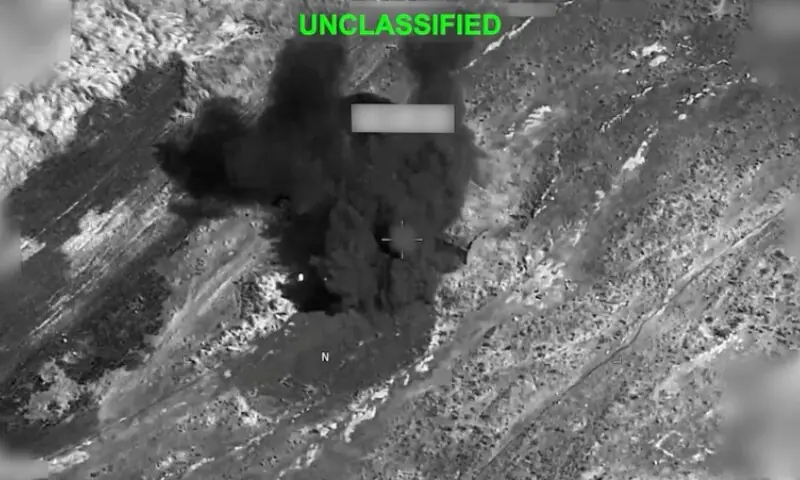
United States forces conducted strikes against Iran for the ninth consecutive day on Monday, targeting Iranian military command centers, air defense, coastal surveillance sites, maritime capabilities, missile and drone launch sites, and communications networks. These actions aim to degrade Iran's capacity to attack commercial vessels in the Strait of Hormuz. The ongoing conflict follows the unraveling of an interim ceasefire agreement a month prior, intensifying a struggle for control over the vital waterway which has disrupted energy supplies and raised concerns about global inflation. Iran's semi-official Tasnim news agency reported explosions in several Iranian cities, including Tabriz and Chabahar, attributing them to US missile strikes. U.S. Secretary of State Marco Rubio stated that the U.S. would continue targeting Iran as long as it attacks commercial shipping in the international waterway, while also affirming openness to a diplomatic resolution. In response, the Islamic Revolutionary Guard Corps claimed a surprise strike on an enemy special operations headquarters in Syria's Al-Tanf area and alleged ballistic missile attacks on U.S. aircraft at Jordan's Aqaba airport. Iran also reportedly conducted a drone attack on U.S. military assets in Kuwait. Kuwait's government confirmed a direct strike on a desalination plant, causing a fire. The UK Maritime Trade Operations reported a vessel fire near the Omani coast, though the cause remains unverified. The Revolutionary Guards asserted that two oil tankers were immobilized after explosions while attempting to transit a southern route through Hormuz, alleging U.S. encouragement for their passage, and warned the strait would remain unsafe for oil and gas transit. Shipping data indicated a decrease in vessels transiting Hormuz. Oil prices rose by 2% to over $90 a barrel. The U.S. military reported a service member killed in Iraq on Saturday during the detonation of unexploded ordnance from a downed Iranian drone, bringing the total U.S. military casualties to 17 killed and over 420 wounded since hostilities resumed.
The escalating military exchanges between the U.S. and Iran over the Strait of Hormuz highlight a dangerous cycle of retaliation, driven by competing strategic interests and the breakdown of diplomatic engagement. The U.S. actions, framed as defensive responses to Iranian aggression against commercial shipping, aim to deter future attacks and maintain freedom of navigation. Conversely, Iran portrays these strikes as "aggression" and asserts its right to control the waterway, framing its own actions as retaliatory. This dynamic risks further destabilization of regional energy markets, potentially impacting global prices and supply chains, and could draw other regional or international actors into the conflict. The continued reliance on kinetic responses, despite stated openness to diplomacy, suggests underlying systemic challenges in conflict resolution and a potential underestimation of the long-term economic and geopolitical consequences of sustained hostilities.
AI-generated to prompt reflection — not editorial opinion, not advice, not a statement of fact. How this works.