US Strikes Iran for Second Night After Ceasefire Ends, Iran Retaliates Against Allies
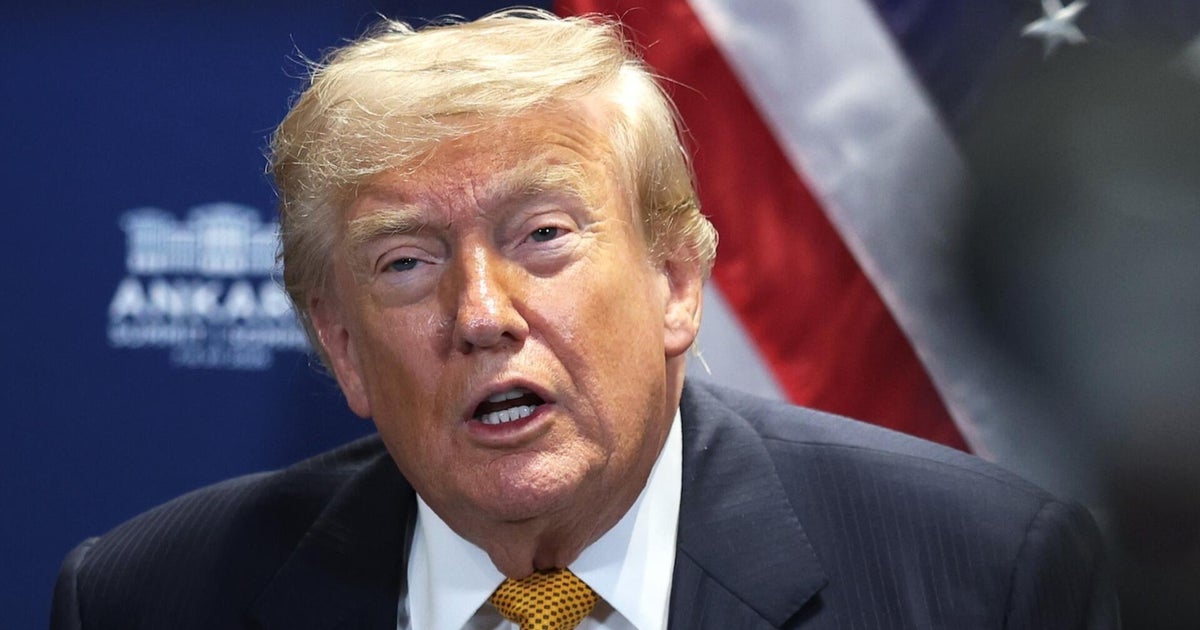
The United States conducted a second night of strikes against Iran, following President Trump's declaration that a ceasefire had concluded. This escalation marks a significant development in the ongoing tensions between the two nations. In response to the US actions, Iran retaliated by targeting US allies located in the Middle East. The specific nature of the targets and the extent of the damage from both the US strikes and the Iranian retaliation are not detailed in this report. This exchange signifies a potential increase in regional instability. Further details on the events were provided by reporters Weijia Jiang and Aaron MacLean. The situation remains fluid, with implications for broader international relations.
The reciprocal military actions between the US and Iran, following the termination of a ceasefire, highlight a complex geopolitical dynamic. The US decision to escalate strikes, coupled with Iran's retaliation against US allies, suggests a strategic calculus driven by deterrence and signaling. From a systemic perspective, such escalations can destabilize regional security architectures, potentially drawing in other state and non-state actors. The long-term implications may involve a re-evaluation of diplomatic channels versus kinetic responses, with significant implications for global energy markets and international law. Future developments will likely depend on the perceived strategic gains versus the risks of wider conflict.
AI-generated to prompt reflection — not editorial opinion, not advice, not a statement of fact. How this works.