US Strikes Iran for Sixth Consecutive Night; Tehran Retaliates Against Gulf Nations
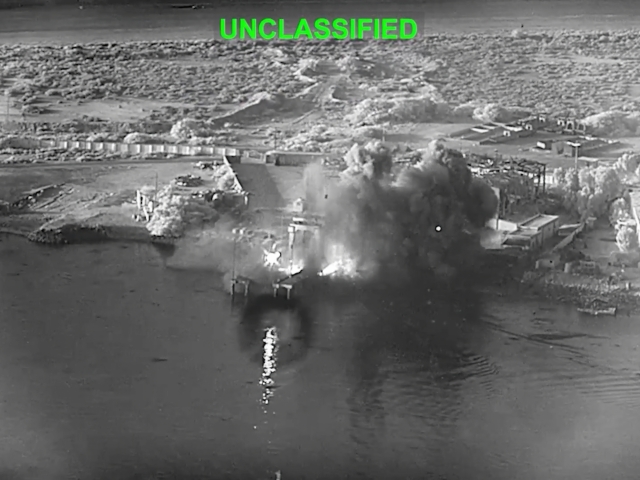
The U.S. military announced early Friday morning Central European Time that it had completed another extensive wave of strikes against Iran, marking the sixth consecutive night of such actions. Iranian state media reported that five bridges in southern Iran were among the targets hit, resulting in seven fatalities. In response, Tehran launched retaliatory airstrikes overnight targeting Kuwait, with Bahrain and Qatar also facing repeated attacks, according to agencies citing local authorities. The U.S. has been conducting these strikes as part of an ongoing escalation, though specific justifications for this latest series of attacks were not detailed in the initial reports. The retaliatory actions by Iran indicate a widening regional conflict, drawing in multiple Persian Gulf states. International observers are closely monitoring the situation for further developments and potential diplomatic interventions. The repeated nature of these strikes suggests a sustained period of heightened military activity in the region.
The escalating military actions between the United States and Iran, involving direct strikes and subsequent retaliatory attacks on regional partners, highlight a cycle of kinetic engagement. This pattern suggests that deterrence strategies may be proving insufficient, leading to a prolonged period of heightened tensions and potential for broader conflict. The involvement of multiple Persian Gulf nations in Iran's response indicates the fragility of regional stability and the interconnectedness of security concerns. Future developments will likely hinge on the strategic objectives of each actor, the effectiveness of international diplomatic efforts, and the potential for unintended escalation in a complex geopolitical landscape. The long-term implications for regional economic stability and global energy markets also warrant careful consideration as these events unfold.
AI-generated to prompt reflection — not editorial opinion, not advice, not a statement of fact. How this works.