US Strikes Iran for Third Time in a Week Near Strait of Hormuz
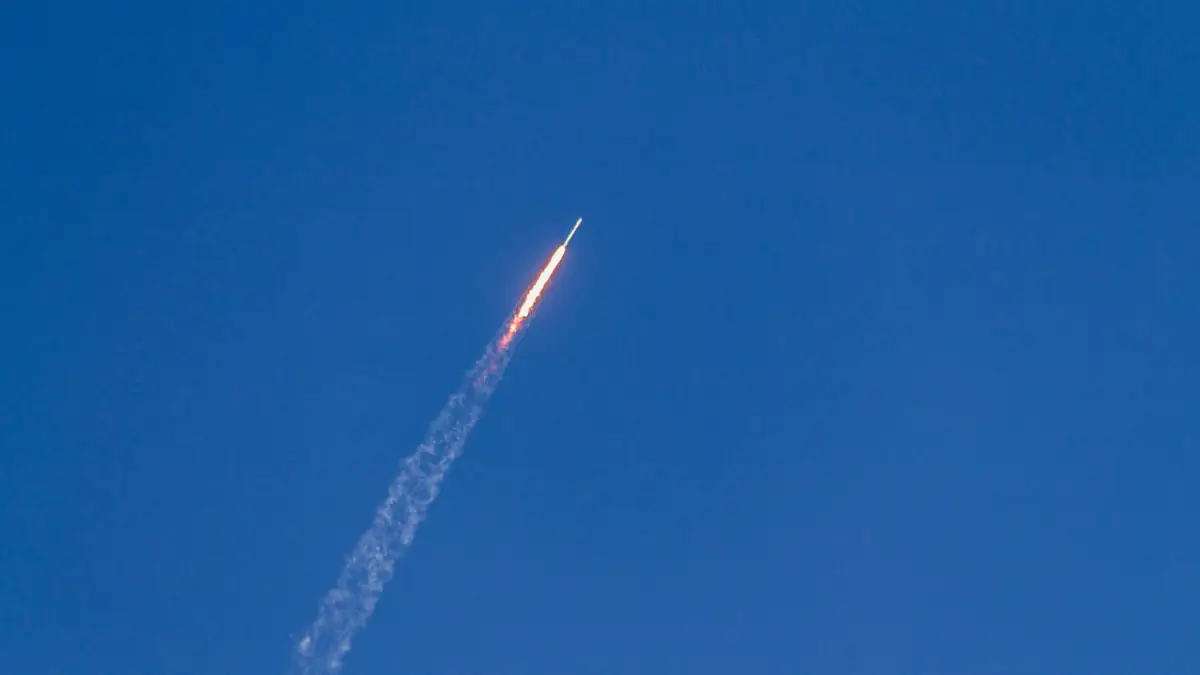
The United States military has conducted a third wave of strikes against Iranian targets within a week, escalating tensions between Washington and Tehran near the Strait of Hormuz. The U.S. Central Command (Centcom) announced the latest strikes were in retaliation for an attack on a commercial vessel transiting the vital waterway. This marks a significant increase in military actions in the region over a short period. The specific details of the commercial vessel attacked and the extent of the damage to Iranian military targets were not immediately disclosed. The ongoing exchange of fire underscores the volatile security situation in the Persian Gulf. Both nations have been engaged in a series of confrontations, with the Strait of Hormuz being a critical chokepoint for global oil trade. The frequency of these strikes suggests a deliberate strategy by the U.S. to deter further Iranian aggression. However, it also raises concerns about a wider conflict erupting in the region. The international community is closely monitoring the developments, urging de-escalation from both sides. The implications of this sustained military activity on regional stability and global energy markets remain a significant concern.
The repeated U.S. strikes against Iranian military targets near the Strait of Hormuz, following an attack on a commercial vessel, indicate a pattern of calibrated escalation. This strategy appears designed to impose costs on Iran for its actions while attempting to avoid a full-scale conflict. The U.S. is leveraging its military superiority to signal resolve and influence Iranian behavior in a strategically critical maritime chokepoint. However, this approach carries inherent risks of miscalculation, potentially leading to unintended consequences or a broader regional conflagration. The effectiveness of such kinetic responses in achieving long-term strategic objectives, particularly in influencing the geopolitical calculus of state and non-state actors in the region, warrants careful consideration. Future policy decisions will likely weigh the immediate deterrent effect against the potential for sustained instability and the impact on global trade routes.
AI-generated to prompt reflection — not editorial opinion, not advice, not a statement of fact. How this works.