US Strikes Iran in Retaliation for Attacks on Bases
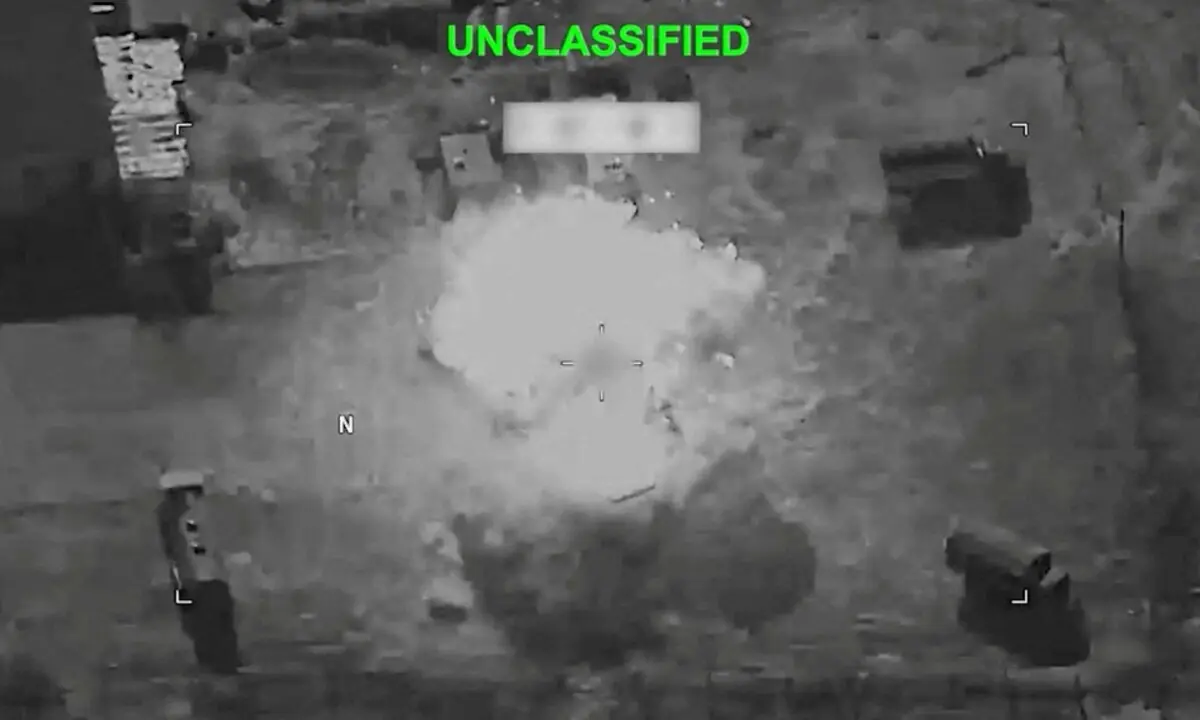
The United States military conducted a significant wave of retaliatory strikes against Iran on Thursday, following Iran's missile attacks on American bases in Jordan. This escalation has intensified conflict in the Middle East and diminished hopes for a swift return to negotiations between the two nations. U.S. Central Command (Centocom) confirmed that American forces "successfully completed a heavy wave of strikes against Iran," targeting dozens of Islamic Revolutionary Guard Corps (IRGC) objectives, including military command centers. The stated aim of these strikes was to reduce threats posed by Iran and its proxies to American forces, international shipping, and neighboring Gulf states. Iran's state news agency IRNA reported that several cities in Khuzestan province and Qeshm island in the Gulf were hit. Tragically, three family members, including a two-year-old child, were killed in a residential home on Qeshm island during a U.S. attack, with two other children sustaining injuries. This widening conflict also saw Saudi Arabia and the United States launch strikes on militant bases in Iraq, which Riyadh attributed to Iranian-backed groups attacking its oil facilities. Iraq's Hashed al-Shaabi alliance reported at least 20 members killed in these strikes, denouncing it as a "dangerous escalation." Meanwhile, Jordan's army intercepted five Iranian missiles, and Israel accused Hezbollah of a truce violation with a drone deployment. The IRGC vowed continued resistance as long as threats against Iran persist. The U.S. had previously indicated that a pause in fighting was intended to facilitate new negotiations, particularly concerning the Strait of Hormuz, which Iran has claimed increasing control over, including stopping tankers and planning passage fees.
The escalation of military actions between the U.S. and Iran, including retaliatory strikes and counter-accusations of aggression, highlights the complex and volatile geopolitical landscape in the Middle East. The stated objectives of diminishing threats and protecting interests are juxtaposed against the tragic loss of civilian lives, underscoring the inherent risks and unintended consequences of kinetic engagements. The involvement of regional actors and proxy groups further complicates de-escalation efforts, creating a cycle of actions and reactions that could destabilize energy markets and broader international security. Future diplomatic strategies will need to carefully balance deterrence with the imperative of preventing further civilian harm and fostering conditions for dialogue, considering the long-term implications of sustained conflict on regional stability and global trade routes.
AI-generated to prompt reflection — not editorial opinion, not advice, not a statement of fact. How this works.