US Strikes Iran, Iran Retaliates Against US Bases Amid Strait of Hormuz Tensions
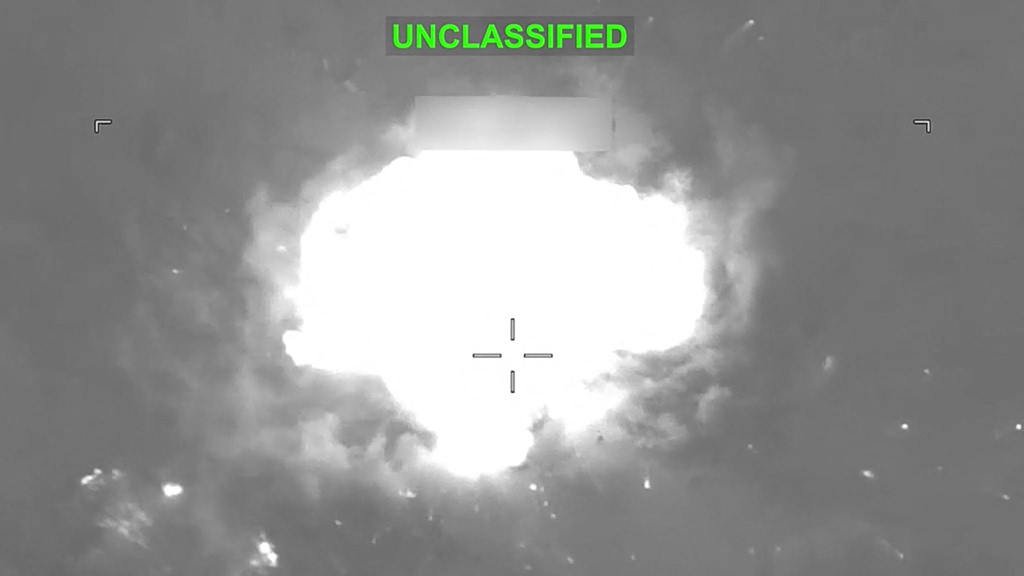
The United States and Iran are once again on a collision course following new American strikes on Iranian territory overnight. The stated objective of these strikes was to curb Tehran's control over the strategically vital Strait of Hormuz. In response, the Islamic Revolutionary Guard Corps launched retaliatory attacks targeting American bases in Kuwait and Bahrain. The Iranian government maintains its position regarding the escalating situation.
This renewed confrontation highlights the ongoing geopolitical friction in the Middle East, particularly concerning control of key maritime passages. The Strait of Hormuz is a critical chokepoint for global oil trade, making any disruption there a significant concern for international stability and energy markets. The tit-for-tat military actions raise fears of a wider regional conflict.
Further details on the extent of the damage from the strikes and the specific nature of the retaliatory actions are expected to emerge. The international community will be closely monitoring developments as both nations appear poised for further escalation.
The recent military exchanges between the US and Iran underscore the persistent strategic competition for influence and control over critical global energy chokepoints like the Strait of Hormuz. This cycle of strikes and retaliations, driven by perceived threats to national security and regional interests, creates significant volatility. Such actions, while framed as defensive or deterrent, carry inherent risks of unintended escalation, potentially destabilizing regional economies and international trade routes. Future diplomatic efforts will likely focus on de-escalation mechanisms and establishing clearer communication channels to mitigate the risk of miscalculation in this highly sensitive geopolitical environment.
AI-generated to prompt reflection — not editorial opinion, not advice, not a statement of fact. How this works.