US Strikes Iran Over Fallen Soldiers; Tanker Burns in Strait of Hormuz
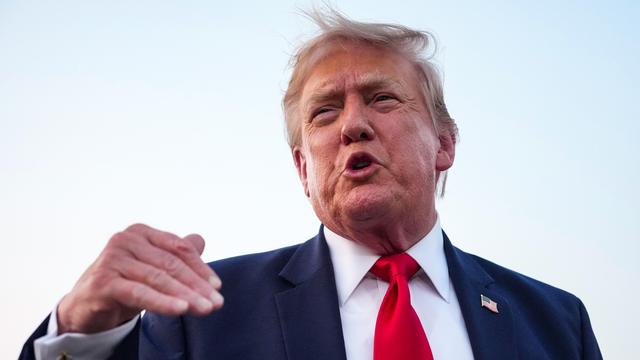
U.S. President Donald Trump has stated that recent attacks against Iran were carried out "in honor" of U.S. military personnel who were killed. The announcement comes amid escalating tensions in the region. Separately, a ship has caught fire in the Strait of Hormuz, a critical chokepoint for global oil transport. This incident marks another maritime event in the vital waterway, raising concerns about the security of shipping lanes. The specific details of the ship's cargo and the cause of the fire have not yet been fully disclosed. The ongoing incidents in and around the Strait of Hormuz underscore the volatile geopolitical situation and its potential impact on international trade and energy supplies. The U.S. actions and the tanker fire highlight the complex challenges facing the region.
The U.S. justification for strikes, linking them to fallen service members, frames the action within a narrative of retribution and national honor. This framing can serve to consolidate domestic support and international alignment by appealing to shared values of sacrifice and justice. Simultaneously, the recurrence of incidents involving vessels in the Strait of Hormuz suggests a pattern of escalating risk, potentially influenced by geopolitical rivalries and the strategic importance of the waterway. The interplay between state-sanctioned military actions and seemingly independent maritime incidents creates a complex environment where attributing causality and intent becomes challenging. This situation necessitates a careful assessment of de-escalation strategies that address both overt military posturing and the underlying factors contributing to regional instability, considering the long-term implications for global energy security and international maritime law.
AI-generated to prompt reflection — not editorial opinion, not advice, not a statement of fact. How this works.