US Strikes Iran, Tehran Retaliates Against US Allies Amid Escalating Middle East Crisis
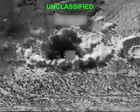
The United States military has expanded its strikes into northern Iran, targeting sites in multiple cities including the capital, Tehran, and Semnan province, which is known for its ballistic missile and space programs. These actions follow Iran's reported retaliatory attacks on US allies, including Jordan, Bahrain, and Kuwait. The US stated its objective was to degrade Iran's ability to threaten shipping in the Strait of Hormuz, also reporting the disabling of a tanker in the strait. Iranian officials reported that the US strikes hit an army barracks, resulting in at least seven troops killed and hundreds injured. In recent days, Iran's health ministry indicated that US attacks in southern Iran had caused at least 30 deaths and 260 injuries. Iran's army claimed to have used kamikaze drones against US military communication and fuel storage in Jordan, though the Jordanian military reported intercepting eight Iranian missiles. President Trump commented on the situation, stating that Iran "better behave" and noted the release of an American citizen, Dena Karari, who had been detained since December 2024. The ongoing escalation has contributed to a rise in oil prices, with Brent crude trading above $85 a barrel, a significant increase from pre-conflict levels.
The escalating conflict between the US and Iran, marked by direct strikes and retaliatory actions against regional allies, signifies a critical juncture in Middle East stability. The US actions, framed as defensive measures to secure vital shipping lanes, risk further regional destabilization and potential entanglement in broader conflicts. Iran's response, targeting allied nations, demonstrates a strategy of asymmetric warfare, aiming to impose costs on the US and its partners. The economic impact, evidenced by rising oil prices, highlights the global ramifications of such geopolitical tensions. Future developments will likely depend on the strategic calculations of both powers, the effectiveness of international diplomatic efforts, and the potential for further escalation or de-escalation based on evolving threat perceptions and domestic political considerations within Iran and the United States.
AI-generated to prompt reflection — not editorial opinion, not advice, not a statement of fact. How this works.