US Strikes Iran, Tehran Retaliates Against US Assets in Gulf States Amid Hormuz Tensions
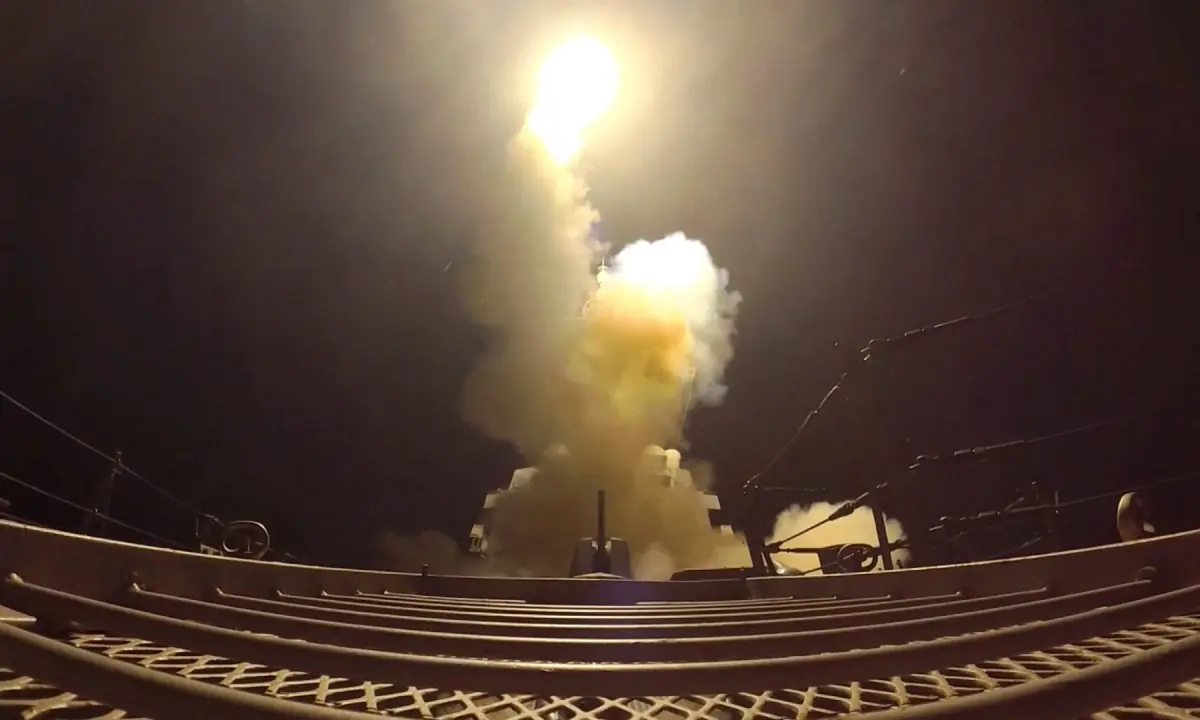
The United States conducted a second consecutive day of strikes against Iran on Monday, prompting Tehran to retaliate against US military targets and bases in several Gulf states, including Jordan, Bahrain, Kuwait, and Oman. These actions represent a significant escalation in the ongoing conflict over the strategic Strait of Hormuz, undermining a fragile interim agreement between Washington and Tehran that was intended to end their war. U.S. Central Command (Centcom) reported launching "offensive strikes" with precision munitions, targeting Iranian air defense systems, radar sites, and missile and drone capabilities to degrade Iran's ability to disrupt international shipping. Centcom stated that Iranian forces used fighter aircraft, naval vessels, and drones for the first time in these strikes. Iranian state media indicated that the US strikes hit various locations in southern and western Iran, including Qeshm island, Bandar Abbas, and Khuzestan province, resulting in one fatality and four injuries. In response, Iran's Revolutionary Guards Corps (IRGC) claimed to have attacked US military bases and facilities in Jordan, Bahrain, Kuwait, and Oman, including Prince Hassan Air Base in Jordan and a drone command center in Bahrain. The IRGC also asserted that its actions were aimed at restoring passage through the Strait of Hormuz and warned of further disruptions to the global oil and gas sector if US interventions continue. Oil prices saw an increase of over 3.5% in early trading following the renewed hostilities. This flare-up follows an incident where a commercial ship caught fire in the Strait of Hormuz, after which Iran declared the strait closed until further notice. Centcom, however, maintained that the strait remained open and that traffic was flowing, though ship-tracking data indicated a significant decrease in vessel transits. Mediators, including Pakistan, are attempting to broker a diplomatic solution, with Pakistani Deputy Prime Minister Ishaq Dar and UN Secretary General António Guterres calling for de-escalation and dialogue.
The escalating military actions between the United States and Iran around the Strait of Hormuz highlight a critical geopolitical vulnerability. The conflict's impact on global energy markets, evidenced by the immediate rise in oil prices, underscores the strait's outsized importance to international commerce. The reciprocal nature of the strikes suggests a strategic calculus where each side seeks to impose costs and deter further aggression, potentially leading to a dangerous cycle of escalation. Future developments will likely depend on the effectiveness of diplomatic efforts and the willingness of both parties to de-escalate, considering the broader implications for regional stability and the global economy. The reliance on military responses, even within an interim agreement framework, indicates persistent underlying tensions and a challenge in establishing durable peace through purely transactional diplomacy.
AI-generated to prompt reflection — not editorial opinion, not advice, not a statement of fact. How this works.