US Strikes Iran, Tehran Retaliates; Tanker Explosions Reported Near Hormuz
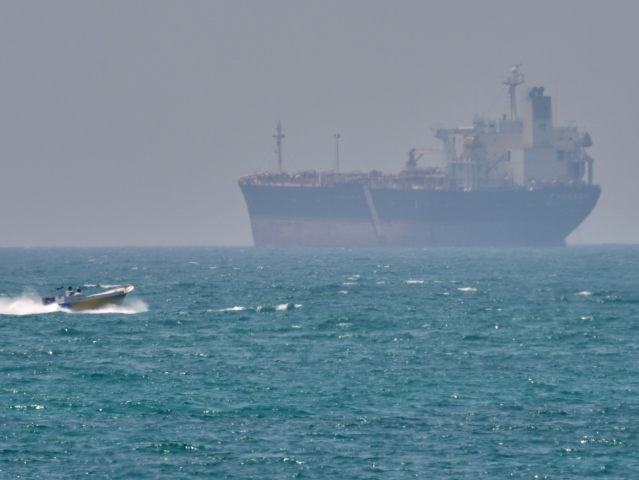
At least three people were killed and eight others injured in American airstrikes in Iran's southeastern province of Hormozgán. In response, Tehran announced retaliatory strikes targeting locations in countries where U.S. forces are deployed, including Kuwait, Jordan, and Bahrain. The situation has further escalated near the strategic Strait of Hormuz, where Iran's Revolutionary Guard claimed two oil tankers exploded. However, the United States has denied this claim, labeling it as false. The original report did not specify the exact date of these events, but they indicate a significant escalation of tensions in the region.
This series of events suggests a dangerous escalation in regional conflict, potentially driven by a cycle of perceived aggression and retaliation. The differing accounts of the tanker explosions highlight the challenges of verifying information in a high-stakes geopolitical environment. Actors involved face incentives to project strength and deter adversaries, which can lead to miscalculation and unintended consequences. Looking ahead, the reliance on kinetic actions rather than diplomatic de-escalation risks further destabilizing a critical global energy chokepoint and could have long-term implications for international trade and security. The interplay between national security imperatives and potential economic disruption warrants careful consideration of alternative conflict resolution mechanisms.
AI-generated to prompt reflection — not editorial opinion, not advice, not a statement of fact. How this works.