US Strikes Iranian Bridges Near Key Port Amid Hormuz Strait Tensions
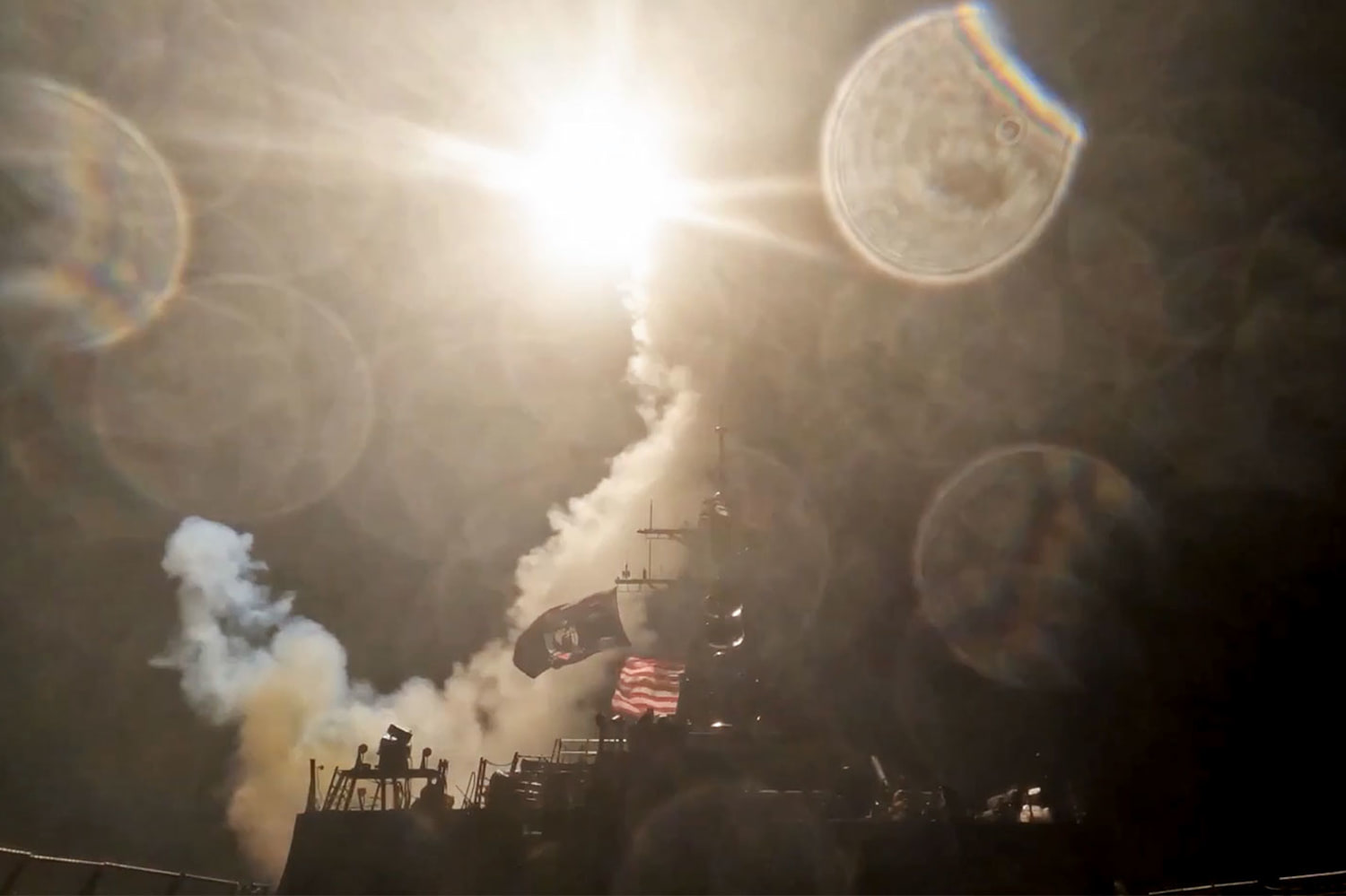
The United States conducted overnight strikes on bridges and other critical infrastructure in southern Iran, concluding nearly a week of intensified military actions. These operations are designed to increase pressure on Tehran to relinquish control over the Strait of Hormuz. The campaign aims to disrupt Iranian operations and influence its strategic decisions regarding the vital waterway. The strikes underscore the escalating tensions in the region and the US commitment to ensuring freedom of navigation in the Strait. Further details on the extent of the damage and specific targets were not immediately available. The US has been increasing its military presence and operational tempo in the Persian Gulf. This escalation signals a significant development in the ongoing geopolitical contest for control of maritime trade routes. The actions are part of a broader strategy to counter perceived Iranian assertiveness in the region.
The US military actions, targeting infrastructure vital for regional connectivity, represent a strategic escalation aimed at influencing Iran's posture regarding the Strait of Hormuz. Such kinetic measures, while designed to exert immediate pressure, carry inherent risks of broader regional destabilization and could provoke retaliatory responses. From a long-term perspective, the effectiveness of these strikes in achieving a fundamental shift in Iran's strategic calculus regarding the Strait of Hormuz remains to be seen. Alternative approaches focusing on diplomatic engagement, multilateral sanctions, or enhanced maritime security cooperation might offer different pathways to achieving navigational freedom without escalating kinetic conflict. The economic implications for global trade, given the Strait's critical role, warrant careful consideration of the potential for unintended consequences.
AI-generated to prompt reflection — not editorial opinion, not advice, not a statement of fact. How this works.