US Strikes Oil Tanker in Strait of Hormuz Amid Tehran Attacks
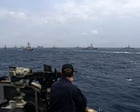
The United States has disabled an unladen oil tanker in the Strait of Hormuz by firing Hellfire missiles into its smokestack. This action occurred on Thursday morning, marking the fifth day of ongoing strikes. The US stated that the tanker ignored multiple warnings before the missile strike. The incident is part of a broader blockade on Iranian ports. Simultaneously, Tehran reportedly came under attack for the first time during this latest escalation. These events raise concerns that the conflict could spiral into open warfare.
The US military action against the oil tanker in the Strait of Hormuz, coupled with reported strikes in Tehran, signifies a significant escalation in regional tensions. This event highlights the strategic importance of maritime chokepoints like Hormuz and the potential for miscalculation to trigger wider conflict. The use of Hellfire missiles suggests a deliberate disabling of the vessel rather than an attempt to destroy it, possibly to avoid a catastrophic environmental incident or to send a specific message. The broader context involves international efforts to manage trade routes and geopolitical influence, where such actions can have cascading effects on global energy markets and diplomatic relations. Future developments will likely depend on the responses from Iran and other regional and international actors, as well as the stated objectives and de-escalation strategies of the involved parties.
AI-generated to prompt reflection — not editorial opinion, not advice, not a statement of fact. How this works.