US Strikes Oil Tanker Near Hormuz; Iran Frees American Detainee
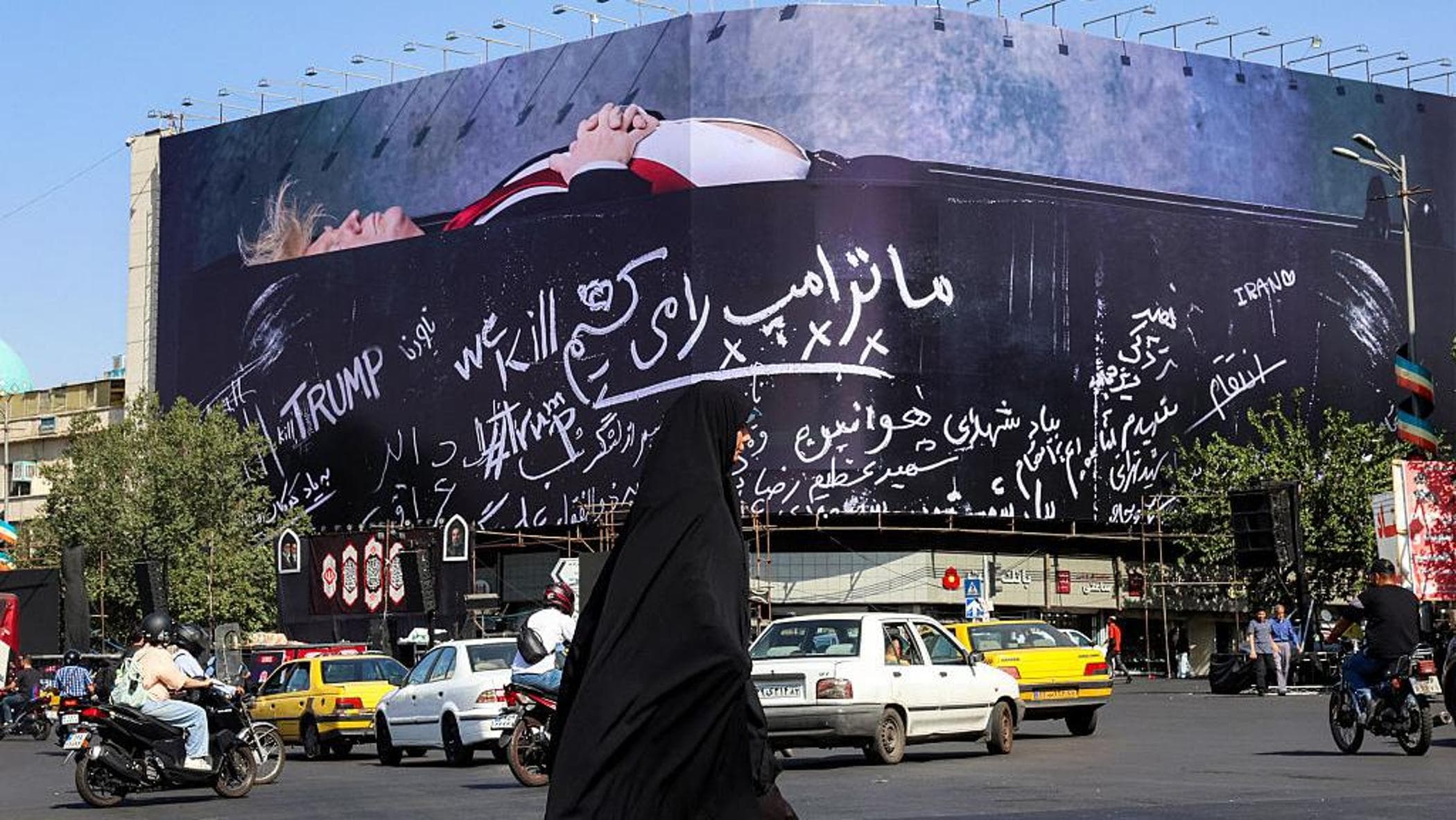
The United States has continued its military actions in the Strait of Hormuz and surrounding areas. Today, explosions were reported in Tehran, with the U.S. specifically targeting a oil tanker that was attempting to breach a naval blockade. These actions underscore ongoing tensions and military engagements in the strategic waterway. In a separate development, Iran has released an American citizen who had been detained since 2024. The circumstances of her arrest and the reasons for her release have not been fully detailed. This diplomatic move comes amidst heightened military activity, suggesting a complex interplay of conflict and de-escalation efforts in the region. The specific details of the oil tanker strike, including the vessel's ownership and the extent of damage, remain under investigation. The broader implications of these U.S. actions on regional stability and international shipping routes are significant.
The reported U.S. strikes on an oil tanker in the Strait of Hormuz, coupled with Iran's release of a detained American, highlight the volatile geopolitical dynamics in the region. The U.S. actions, framed as enforcing a naval blockade, likely aim to deter specific Iranian activities or assert maritime control, reflecting strategic interests in energy security and regional influence. Iran's release of the detainee, occurring amidst these military escalations, could be a strategic gesture aimed at de-escalating specific tensions or managing international perception, potentially seeking to counterbalance the negative impact of the U.S. military actions. The interplay between military pressure and diplomatic overtures suggests a complex strategy from both sides, where actions are calibrated to achieve specific objectives while managing broader regional stability and international scrutiny. The long-term implications will depend on whether these actions lead to sustained de-escalation or further entrenchment of adversarial positions.
AI-generated to prompt reflection — not editorial opinion, not advice, not a statement of fact. How this works.