US Strikes on Iran Bolster Options for Escalation, Officials Claim
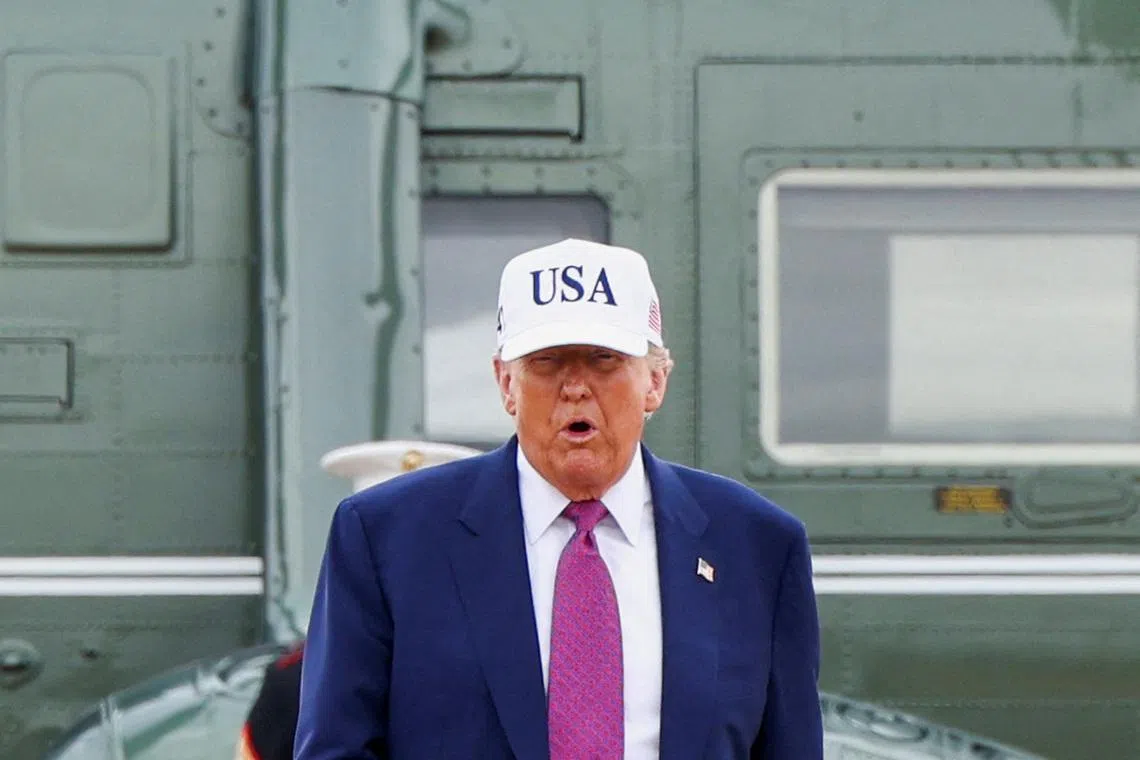
Recent U.S. strikes against Iran, intended to pressure the nation over the Strait of Hormuz, are also serving to degrade Iranian military capabilities. According to three U.S. officials, these strikes are weakening Iran's defenses in ways that would facilitate more complex U.S. military operations. The objective appears to be to dismantle key Iranian military assets prior to the potential execution of larger-scale actions. This strategy suggests a multi-pronged approach by the U.S., combining pressure on maritime passage with direct targeting of Iran's military infrastructure. The officials indicated that these actions are enhancing the options available to President Trump should he decide to escalate further against Iran. The implications of these strikes extend beyond immediate tactical gains, potentially shaping the strategic landscape for future engagements.
The reported U.S. strikes on Iranian military capabilities, framed by officials as enhancing escalation options, warrant examination through the lens of strategic deterrence and geopolitical signaling. Such actions, while potentially degrading immediate threats, can also trigger reciprocal responses, increasing the risk of unintended conflict escalation. The stated objective of weakening Iranian defenses prior to complex operations highlights a strategic calculus that balances perceived necessity with inherent risks. Future U.S. policy in the region will likely be influenced by the effectiveness of these strikes in achieving their stated goals versus their potential to destabilize the broader security environment. Considering the trajectory of AI and autonomous systems, the nature of future military engagements may shift significantly, making the long-term implications of current kinetic actions a critical consideration for strategic planning.
AI-generated to prompt reflection — not editorial opinion, not advice, not a statement of fact. How this works.