US Strikes Over 80 Iranian Military Sites Following Strait of Hormuz Attacks
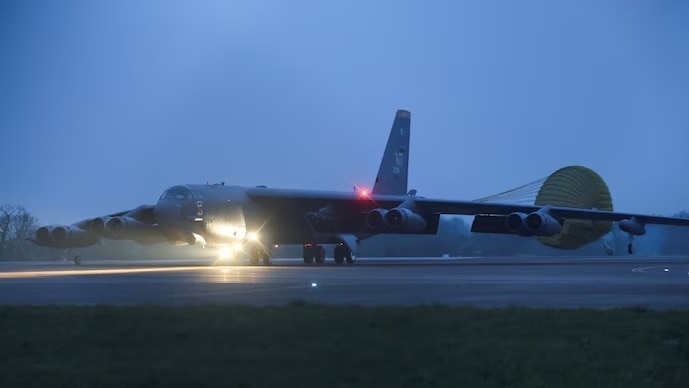
Tensions between the United States and Iran have escalated to the brink of conflict following attacks on three commercial vessels in the Strait of Hormuz. In response, the U.S. military conducted extensive airstrikes targeting more than 80 Iranian military locations. These strikes occurred during a period when Iran was holding the funeral ceremonies for Ayatollah Ali Khamenei. The targeted locations reportedly include sites in Bandar Abbas, Qeshm, and Sirik, indicating a broad operational scope. This military action represents a significant escalation in the ongoing geopolitical friction between the two nations. The U.S. has cited the attacks on commercial shipping as the direct justification for its retaliatory measures. The situation remains highly volatile, with international observers closely monitoring developments in the region. The strategic Strait of Hormuz is a critical chokepoint for global oil transport, making any disruption there a matter of international concern. Further details on the extent of damage and potential Iranian responses are awaited.
The U.S. military's reported airstrikes on over 80 Iranian military sites, following attacks on commercial vessels in the Strait of Hormuz, represent a significant escalation of regional tensions. This action, occurring concurrently with the funeral of a prominent Iranian leader, introduces complex geopolitical timing dynamics. The U.S. justification centers on protecting commercial shipping lanes, a critical global interest due to the Strait's importance for energy transport. From a strategic perspective, such a broad response could aim to deter future aggression by imposing significant costs on Iranian military capabilities. However, it also carries substantial risks of wider conflict, potentially impacting regional stability and global economic flows. The effectiveness of these strikes in achieving long-term deterrence versus the potential for retaliatory escalation will be a key factor in assessing the strategic outcome over the coming decade. Future policy considerations may involve balancing immediate security responses with diplomatic efforts to de-escalate and establish more stable maritime security protocols.
AI-generated to prompt reflection — not editorial opinion, not advice, not a statement of fact. How this works.