US Strikes Southern Iran for Sixth Consecutive Night Amid Rising Tensions
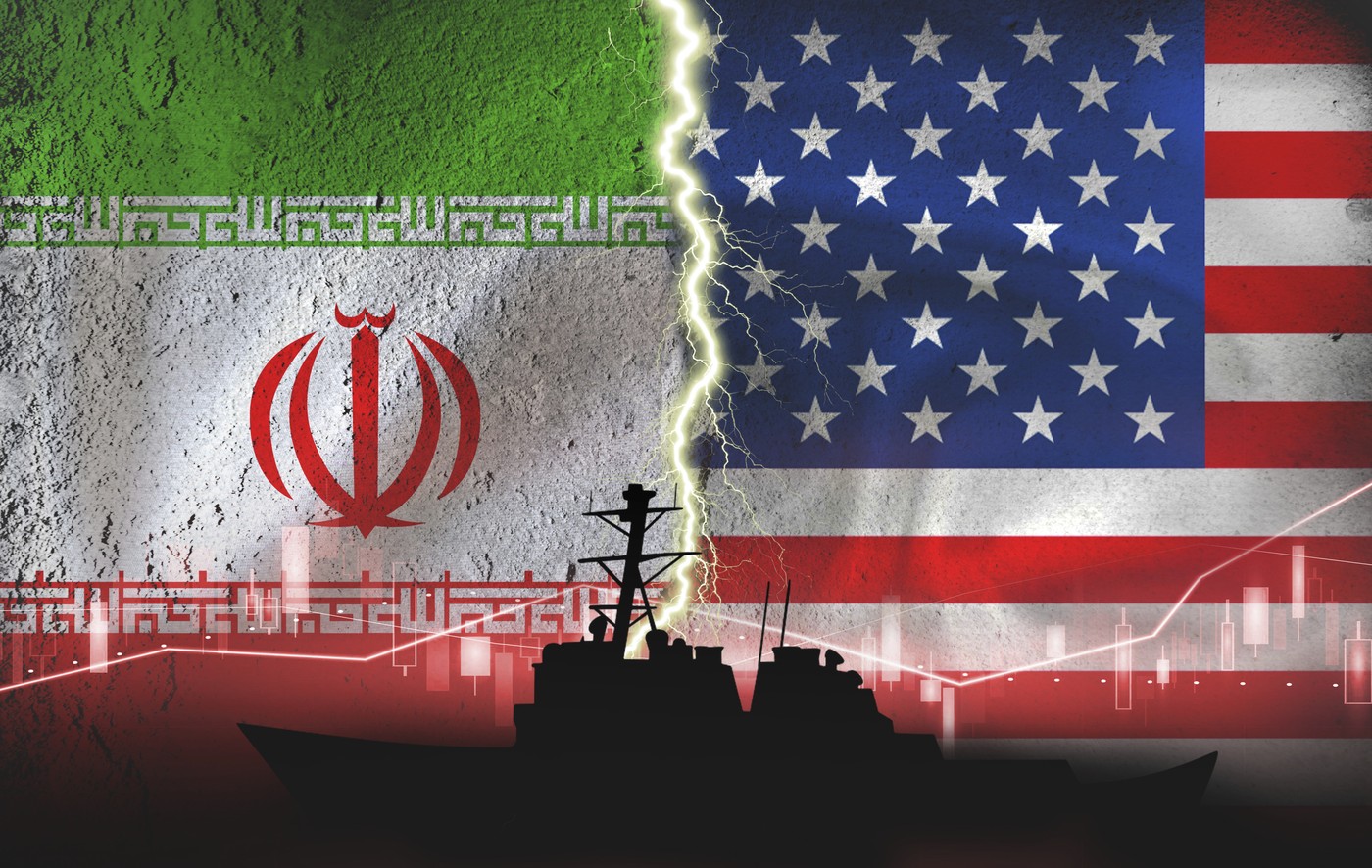
Tensions in the Middle East have escalated as the United States military launched attacks on targets in southern Iran for the sixth night in a row. The ongoing conflict involves the United States and Iran vying for control over the Strait of Hormuz. These repeated strikes indicate a significant and sustained military engagement between the two nations in the region. The specific targets and the extent of damage from these latest attacks have not been detailed. However, the continuous nature of the strikes suggests a deliberate and ongoing strategy by the U.S. forces. The situation highlights the precarious security environment in the Persian Gulf, particularly concerning maritime traffic and regional stability. The Strait of Hormuz remains a critical chokepoint for global oil supplies, making any disruption there a matter of international concern. Further details on the objectives and outcomes of these strikes are awaited.
The repeated U.S. strikes in southern Iran, occurring for six consecutive nights, signify a deliberate escalation in the ongoing strategic competition over the Strait of Hormuz. This pattern of military action suggests a U.S. strategy aimed at demonstrating resolve and potentially disrupting Iranian capabilities or influence in a critical maritime zone. From a systemic perspective, such sustained engagements risk unintended escalation and could destabilize regional energy markets, impacting global supply chains. The long-term implications will depend on the specific objectives pursued, the international community's response, and whether these actions deter or provoke further conflict, shaping the geopolitical landscape for the coming decade.
AI-generated to prompt reflection — not editorial opinion, not advice, not a statement of fact. How this works.