US Supreme Court Approval Hits Record Low, Even Among Republicans
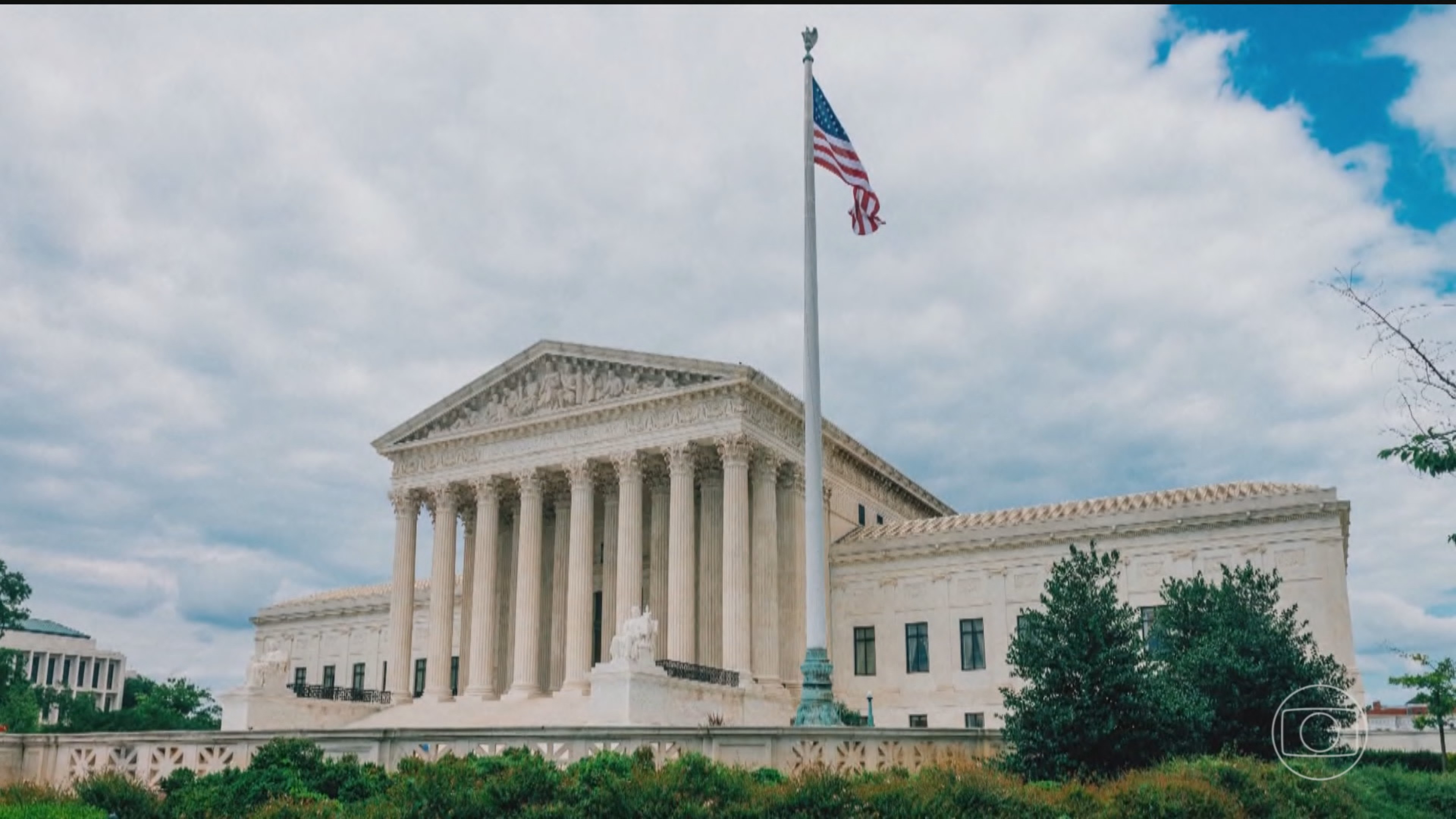
Confidence in the U.S. Supreme Court has reached an all-time low, with only 33% of Americans approving of its work, according to a Gallup poll. This represents a 6-point drop from the previous year and marks the lowest approval rating in the 26 years Gallup has been tracking the court. Overall, 61% of respondents express disapproval.
Interestingly, the poll, conducted from July 1 to 19 with 1,200 participants, indicates that Republicans have become more critical of the court's impartiality. Republican approval has fallen to 58%, a significant decrease from nearly 79% in September. Gallup editor Jeffrey M. Jones suggests this decline among Republicans might stem from decisions unfavorable to the Trump administration, such as those concerning tariffs and birthright citizenship, outweighing those that favored the administration.
This erosion of trust extends to other U.S. institutions, with only 13.5% approving of Congress and President Trump's approval rating around 34%. Historically, the Supreme Court enjoyed higher approval, with 62% in 2000, but political polarization has since driven ratings down to around 40%. Democrats' support significantly dropped in 2022 after the overturning of Roe v. Wade. The court's ideological composition, the sitting president's party, and public reaction to key rulings influence public opinion, with recent decisions impacting Trump's agenda, such as those on agency head dismissals and transgender athletes, being noted alongside rulings that went against his administration's preferences.
The declining public approval of the U.S. Supreme Court, reaching historic lows even among its perceived base, reflects a growing disconnect between judicial outcomes and public sentiment. This trend suggests that the court's perceived politicization, regardless of the specific ideological leaning, is eroding its traditional role as a stabilizing institution. The data indicates that partisan alignment is increasingly influencing perceptions of judicial fairness, potentially undermining the court's legitimacy in the long term. As the nation grapples with deep political divisions, the judiciary faces the challenge of maintaining public trust when its decisions are viewed primarily through a partisan lens, a dynamic that may intensify in an era of heightened political polarization and AI-driven information dissemination.
AI-generated to prompt reflection — not editorial opinion, not advice, not a statement of fact. How this works.