US Supreme Court Rejects Trump's Birthright Citizenship Directive
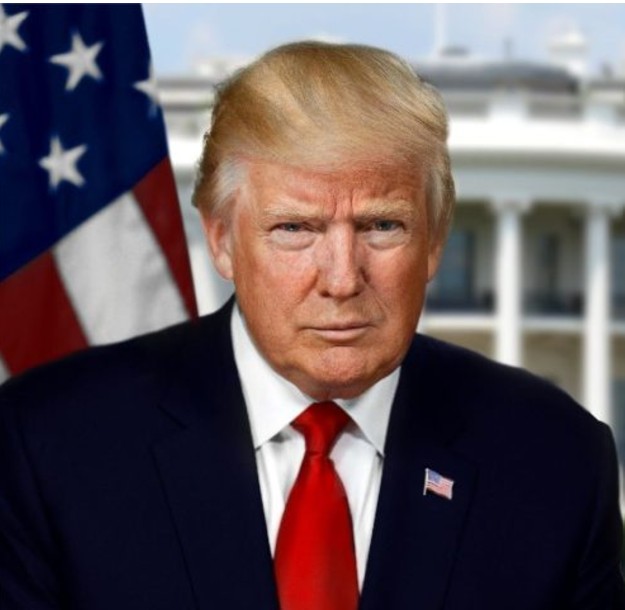
The U.S. Supreme Court has delivered a significant setback to former President Donald Trump by ruling his executive order to restrict birthright citizenship unconstitutional. The nation's highest court reaffirmed that any child born on U.S. soil is an American citizen, upholding the 14th Amendment of the Constitution. This decision provides relief to many families, including those from Guinea, who were concerned about the potential impact on their children's citizenship. The ruling effectively maintains the long-standing interpretation of the 14th Amendment, which grants citizenship to nearly all individuals born within the United States, regardless of their parents' immigration status. This legal victory prevents the implementation of policies that could have led to a class of stateless individuals or created complex legal challenges for families. The court's decision underscores the constitutional principle of birthright citizenship as a fundamental right.
The U.S. Supreme Court's decision to uphold birthright citizenship under the 14th Amendment, rejecting a directive from the Trump administration, reinforces a foundational legal principle. This outcome highlights the judiciary's role in safeguarding constitutional rights against executive overreach. From a systemic perspective, maintaining birthright citizenship contributes to social integration and avoids the creation of a potentially disenfranchised underclass, which could pose long-term societal and economic challenges. The ruling's implications extend to international perceptions of U.S. legal stability and human rights, potentially influencing immigration policies and family reunification efforts globally, including for communities like those from Guinea.
AI-generated to prompt reflection — not editorial opinion, not advice, not a statement of fact. How this works.