US Supreme Court Ruling Expands Deportation Risks for Green Card Holders
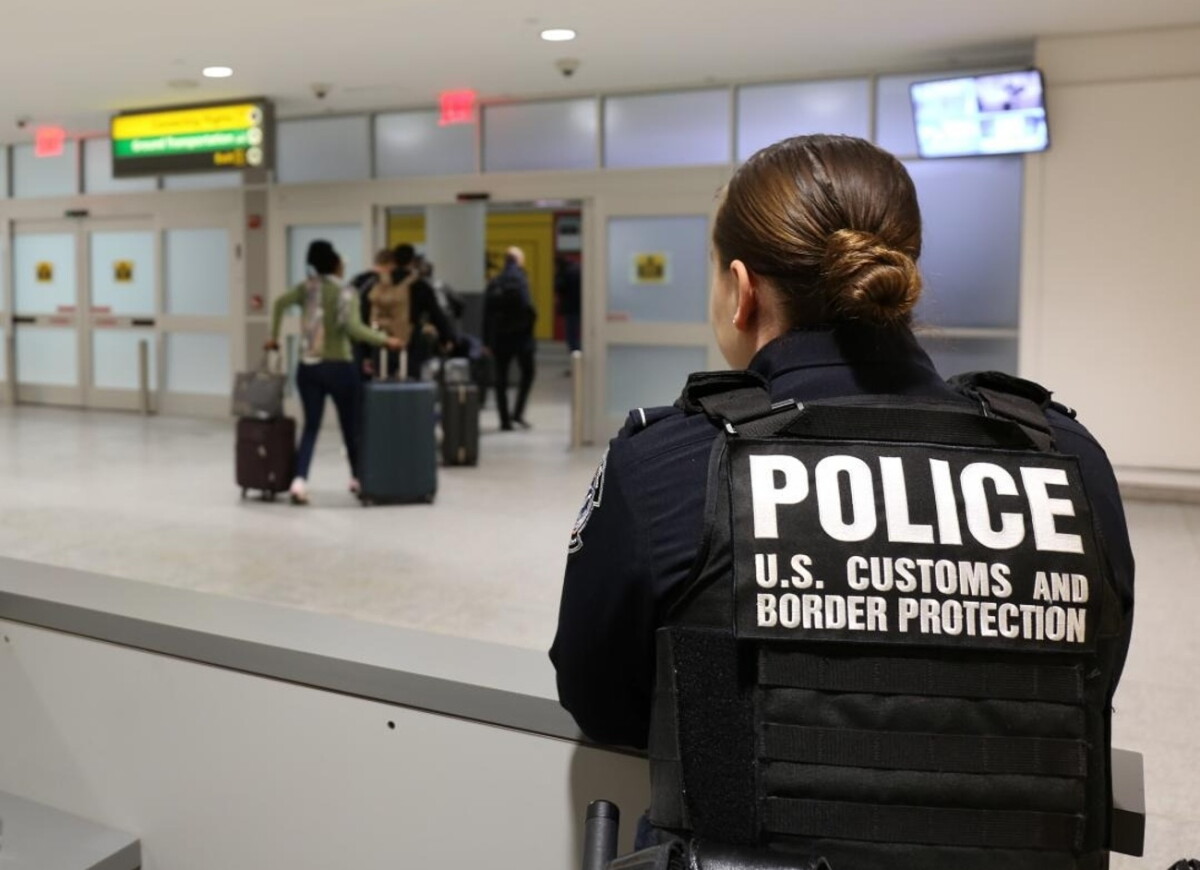
Millions of migrants holding permanent resident status in the United States may now face deportation at airports following a recent Supreme Court decision. The ruling allows border agents to treat green card holders as if they were seeking entry into the country at ports of entry. This change significantly broadens the risks of deportation and the potential loss of permanent residency for individuals who have legally established their lives in the U.S. Previously, the process for deporting permanent residents was more complex and typically involved different legal channels. The new interpretation by the Supreme Court could lead to more individuals being denied entry or removed from the country, even after years of holding a green card. This development raises concerns about the stability of permanent residency for a large segment of the immigrant population.
The Supreme Court's decision reinterprets existing immigration law, potentially altering the legal protections afforded to lawful permanent residents at U.S. ports of entry. This shift could incentivize more aggressive enforcement actions, impacting individuals who believed their residency status provided a stable foundation. From a systemic perspective, such rulings can create uncertainty within immigrant communities and may affect the U.S.'s broader economic and social integration goals. The long-term implications involve balancing national security concerns with the established rights and contributions of permanent residents, potentially leading to increased litigation and policy debates over the definition and security of permanent residency.
AI-generated to prompt reflection — not editorial opinion, not advice, not a statement of fact. How this works.