US Suspects Power Struggle in Iran Amid Strait of Hormuz Tensions
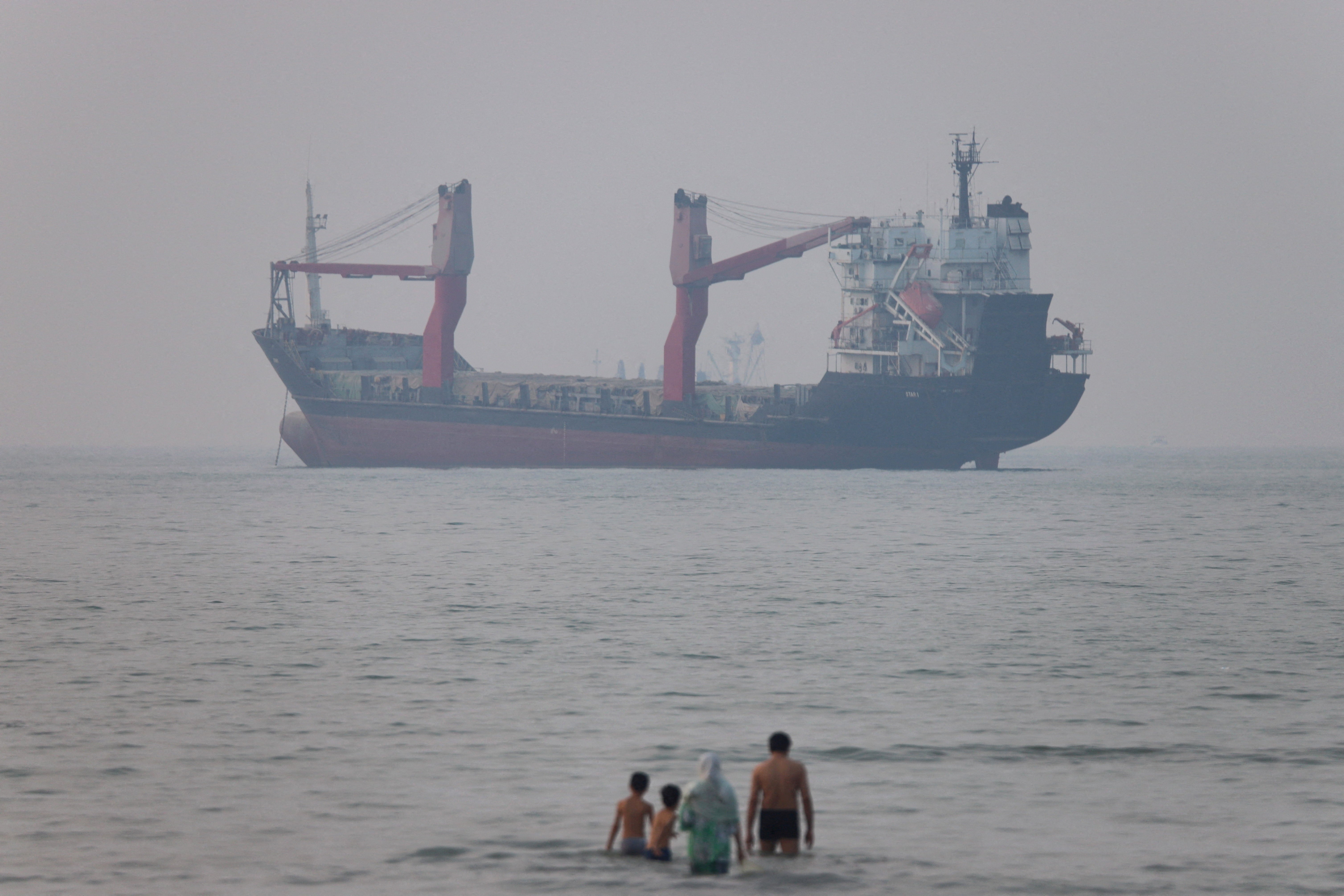
The United States believes a power struggle is underway in Iran between hardline and pragmatic leaders, according to U.S. officials speaking on Friday, November 10th. This suspicion arises after Iran informed Washington that recent attacks on shipping in the Strait of Hormuz were caused by "a disoriented part of its system." The U.S. is demanding Iran publicly declare an end to attacks on ships in the Strait and ensure all waterways remain open to toll-free navigation. Failure to provide such a declaration, officials warned, would result in an unfavorable outcome for Iran. Three ships were attacked this week, prompting U.S. President Donald Trump to retaliate with strikes on Iranian targets and declare the June ceasefire terminated. The Strait of Hormuz, a critical maritime route for oil and gas transport, is approximately 50 kilometers wide and connects the Persian Gulf to the Gulf of Oman. Iran controls the northern coast and strategic positions, allowing it to monitor vessel traffic and use the strait as a political and military pressure tool. Meanwhile, the absence of Iran's Supreme Leader, Mojtaba Khamenei, from his father Ali Khamenei's funeral ceremonies has fueled speculation about his health and safety, and his role in the government. While other high-ranking officials were present, Mojtaba Khamenei, who reportedly suffered facial disfigurement and injuries in an attack, has only communicated through written statements since succeeding his father. This prolonged public absence raises questions about the sustainability of a charismatic succession in a theocratic state, particularly given the security risks involved.
The situation in the Strait of Hormuz highlights the complex interplay between geopolitical strategy and internal Iranian political dynamics. The U.S. demand for a public declaration suggests a focus on verifiable de-escalation, aiming to restore maritime stability and predictability essential for global energy markets. Iran's explanation of attacks originating from a "disoriented part of its system" could be interpreted as an attempt to deflect direct state responsibility while acknowledging an internal challenge to central authority. This narrative, if true, points to potential factionalism within Iran's security apparatus, where disparate groups might pursue agendas that diverge from official state policy. The reported absence and condition of the Supreme Leader, Mojtaba Khamenei, introduce a significant element of uncertainty regarding Iran's decision-making capacity and long-term leadership stability. A prolonged period of opaque leadership could embolden internal factions or create opportunities for external actors to exploit perceived vulnerabilities, potentially leading to miscalculations and further regional instability.
AI-generated to prompt reflection — not editorial opinion, not advice, not a statement of fact. How this works.