US taps South Korea's shipbuilding prowess to bolster naval fleet amid global tensions
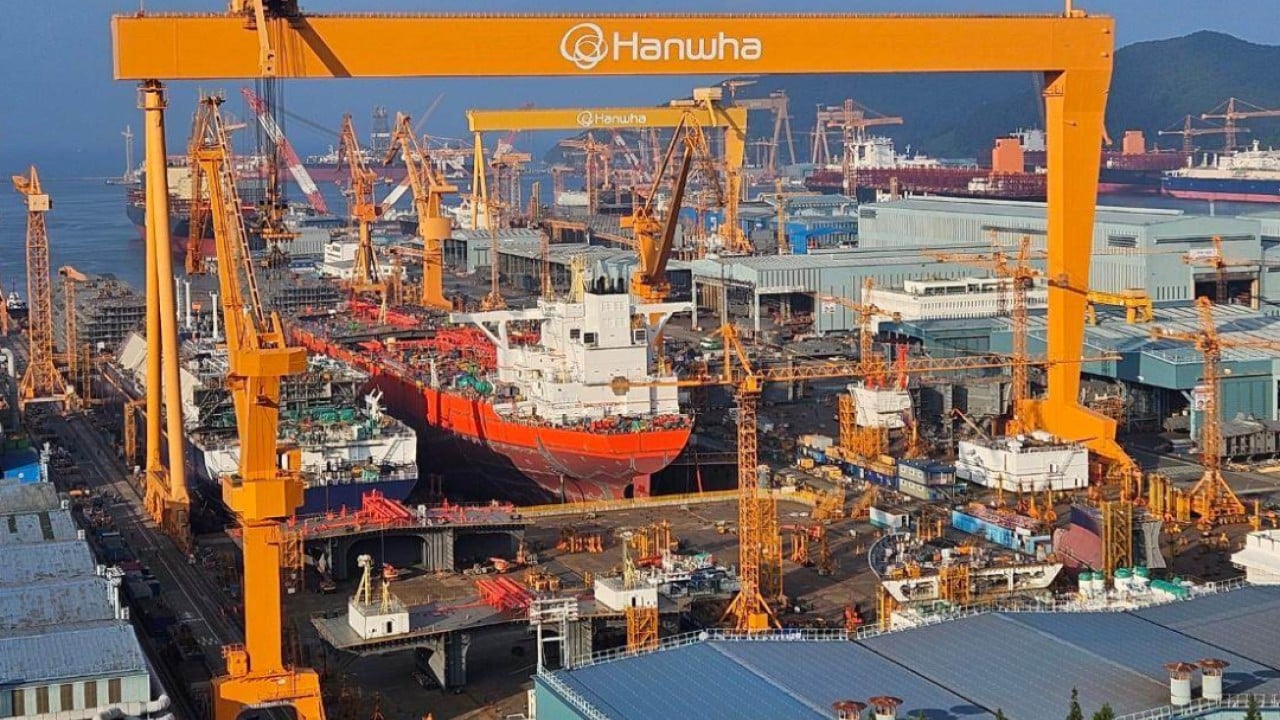
The United States is seeking to revitalize its aging naval fleet by leveraging South Korea's advanced shipbuilding capabilities. This strategic move aims to deepen the bilateral alliance, extending its scope beyond traditional security cooperation into defense manufacturing, technology, and industrial production. Analysts suggest this initiative addresses persistent challenges within the U.S. defense industry, including significant construction delays, budget overruns, a scarcity of skilled labor, and supply chain vulnerabilities. By partnering with South Korea, a global leader in shipbuilding, the U.S. intends to overcome these domestic limitations and enhance its naval power projection capabilities. The collaboration signifies a broader trend of international partnerships to strengthen defense industrial bases in response to escalating geopolitical tensions worldwide. This initiative could lead to increased joint development and production of naval assets, fostering technological exchange and strengthening economic ties between the two nations.
The U.S. reliance on South Korean shipbuilding highlights systemic challenges within its domestic defense industrial base, particularly concerning capacity and efficiency in naval construction. This strategic pivot reflects a pragmatic approach to national security, seeking external solutions to internal production bottlenecks. The move underscores the evolving nature of geopolitical competition, where industrial capacity and technological collaboration are becoming as critical as military alliances. Future considerations may involve assessing the long-term implications of such dependencies on U.S. technological sovereignty and the resilience of its defense supply chains in a dynamic global landscape.
AI-generated to prompt reflection — not editorial opinion, not advice, not a statement of fact. How this works.