US Targets International Criminal Court to Protect Sovereignty and Personnel
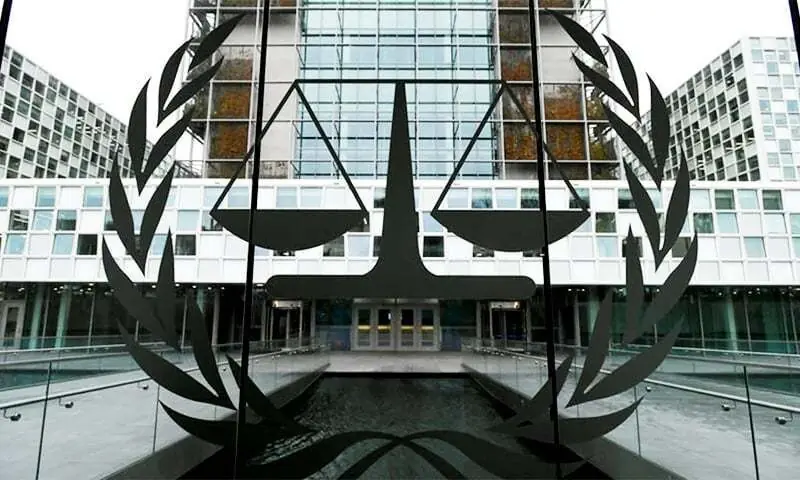
The Trump administration has initiated a campaign to counter the International Criminal Court (ICC), citing it as a threat to United States sovereignty. A State Department official revealed on Monday that a range of measures are being considered, including travel bans, visa revocations, enhanced sanctions against the ICC and its affiliates, and diplomatic pressure on other nations. The core US objection is that the ICC should not have jurisdiction over American citizens, particularly military personnel. This effort aims to prevent any future attempts to hold US officials accountable for overseas military actions. The ICC, established in 2002, prosecutes war crimes, genocide, and crimes against humanity when member states are unable or unwilling to do so. The US has never been a member of the court. President Trump's concerns about the ICC predate his current term, intensifying after the court issued an arrest warrant for Israeli Prime Minister Benjamin Netanyahu in November 2024. Recently, three ICC judges sued the Trump administration over sanctions imposed on them last year, deeming the measures unlawful. Secretary of State Marco Rubio has been actively engaging with other countries to diplomatically isolate the ICC and prevent it from targeting Americans. Nations that partner with US law enforcement, host US troops, or benefit from US security assistance are being urged to reject the ICC's authority over American officials and servicemen. Those that refuse to do so while still relying on US aid may face increased scrutiny. The US previously enacted the American Service-Members’ Protection Act (ASPA), also known as the Hague Invasion Act, in 2002 to shield its personnel from ICC prosecution and authorizes the president to use necessary means to secure the release of any detained US national.
The US administration's actions against the International Criminal Court highlight a fundamental tension between national sovereignty claims and the pursuit of international justice. By seeking to isolate the ICC and prevent its jurisdiction over American citizens, the US prioritizes its own legal and political autonomy, even at the expense of potentially undermining a global institution designed to address mass atrocities. This approach reflects a broader trend of great power skepticism towards international legal bodies, driven by concerns over accountability and perceived overreach. The long-term implications could involve a fragmentation of international law and a reduced capacity for global cooperation in prosecuting the most severe crimes. Future geopolitical dynamics and the evolving nature of warfare, particularly in the context of asymmetric conflicts and state-sponsored actions, will likely continue to test the efficacy and legitimacy of international tribunals like the ICC.
AI-generated to prompt reflection — not editorial opinion, not advice, not a statement of fact. How this works.