US Tariff Hearing: Technical Criticisms Emerge, but Political Decision Looms
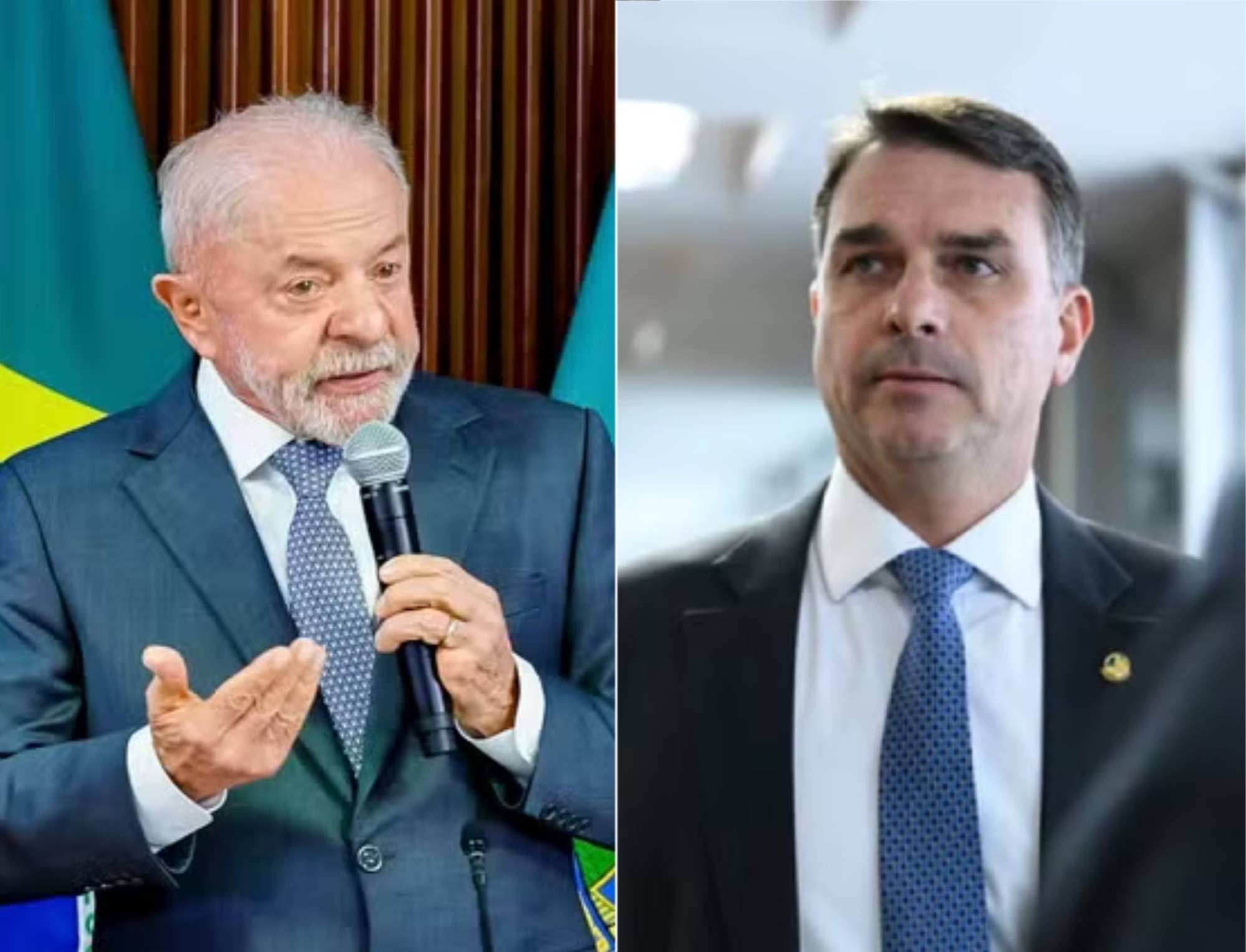
The first day of public hearings on proposed US tariffs against Brazilian imports saw technical criticisms from both Brazilian and, reportedly, some US experts, suggesting a lack of technical justification for new taxes. Brazilian business leaders and economists believe that any decision to implement these tariffs, which could reach up to 37.5%, will be a political move by US President Donald Trump. While most technical arguments favored Brazil's position that the tariffs lack technical basis, certain American sectors, like cattle and ethanol, supported the proposed measures. Senator Flávio Bolsonaro, a presidential pre-candidate, is expected to participate in the hearings and potentially advocate against the tariffs, a stance that allies hope will steer away from his previous controversial letter to the USTR. The Brazilian government, while not formally speaking at the hearing, is sending observers and emphasizes that official negotiations are occurring through high-level technical discussions, not public forums. Brazil has formally responded to the US investigation, asserting that the USTR has not proven Brazilian policies are discriminatory or create trade barriers, and that criticisms of systems like PIX are internal policy matters. Brazilian officials are racing against time, with a July 15 deadline for a potential agreement, and privately anticipate a reduction or exceptions rather than a complete reversal of the tariffs, viewing the USTR's recommendation as politically motivated.
The proposed US tariffs on Brazilian imports highlight a recurring tension between national economic interests and international trade principles. While technical arguments are being presented, the underlying decision-making process appears heavily influenced by political considerations, particularly in the lead-up to US elections. This situation underscores the challenge of navigating global trade when domestic political agendas may supersede established trade dispute resolution mechanisms. The Brazilian government's strategy of engaging in technical negotiations while observing public hearings suggests an effort to maintain diplomatic channels while managing domestic political narratives. The outcome will likely reflect a complex interplay of trade leverage, political signaling, and the evolving dynamics of US-Brazil relations over the next decade, potentially setting precedents for how similar disputes are handled in an increasingly interconnected yet politically charged global economy.
AI-generated to prompt reflection — not editorial opinion, not advice, not a statement of fact. How this works.