US Tariffs Embroil Brazil's Presidential Election, Sparking Blame Game
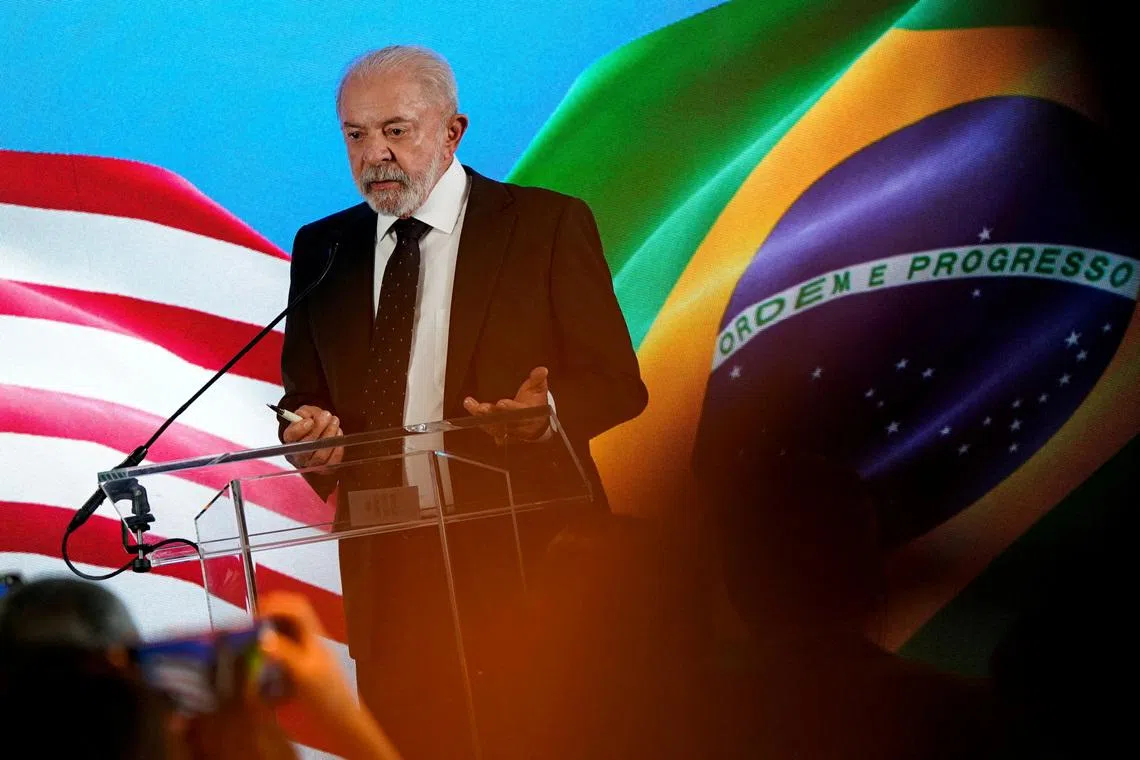
Tariffs imposed by the Trump administration on Brazilian goods on Wednesday have significantly impacted Brazil's upcoming October presidential election. This development has revived concerns regarding potential U.S. interference in Latin American political affairs. Candidates in the Brazilian presidential race have begun to trade blame over the implications of these new tariffs. The situation highlights the interconnectedness of international trade policy and domestic political landscapes, particularly in regions historically sensitive to foreign influence. The specific details of the tariffs and the reactions from various Brazilian political factions are expected to become a central theme in the ongoing election discourse. This event underscores the potential for external economic actions to influence electoral outcomes in other nations.
The imposition of U.S. tariffs on Brazilian goods introduces an external economic factor into Brazil's domestic presidential election. This action can be analyzed through the lens of international trade policy and its geopolitical implications, particularly concerning U.S. foreign relations in Latin America. The resulting political discourse within Brazil, where candidates assign blame, reflects the immediate domestic consequences of such trade measures. Future analyses should consider the long-term effects on bilateral trade relationships, Brazil's economic stability, and the broader regional dynamics of trade and political sovereignty in the context of evolving global economic structures and potential shifts in U.S. trade policy.
AI-generated to prompt reflection — not editorial opinion, not advice, not a statement of fact. How this works.