US Tariffs Hit Brazil Hardest, Financial Times Reports
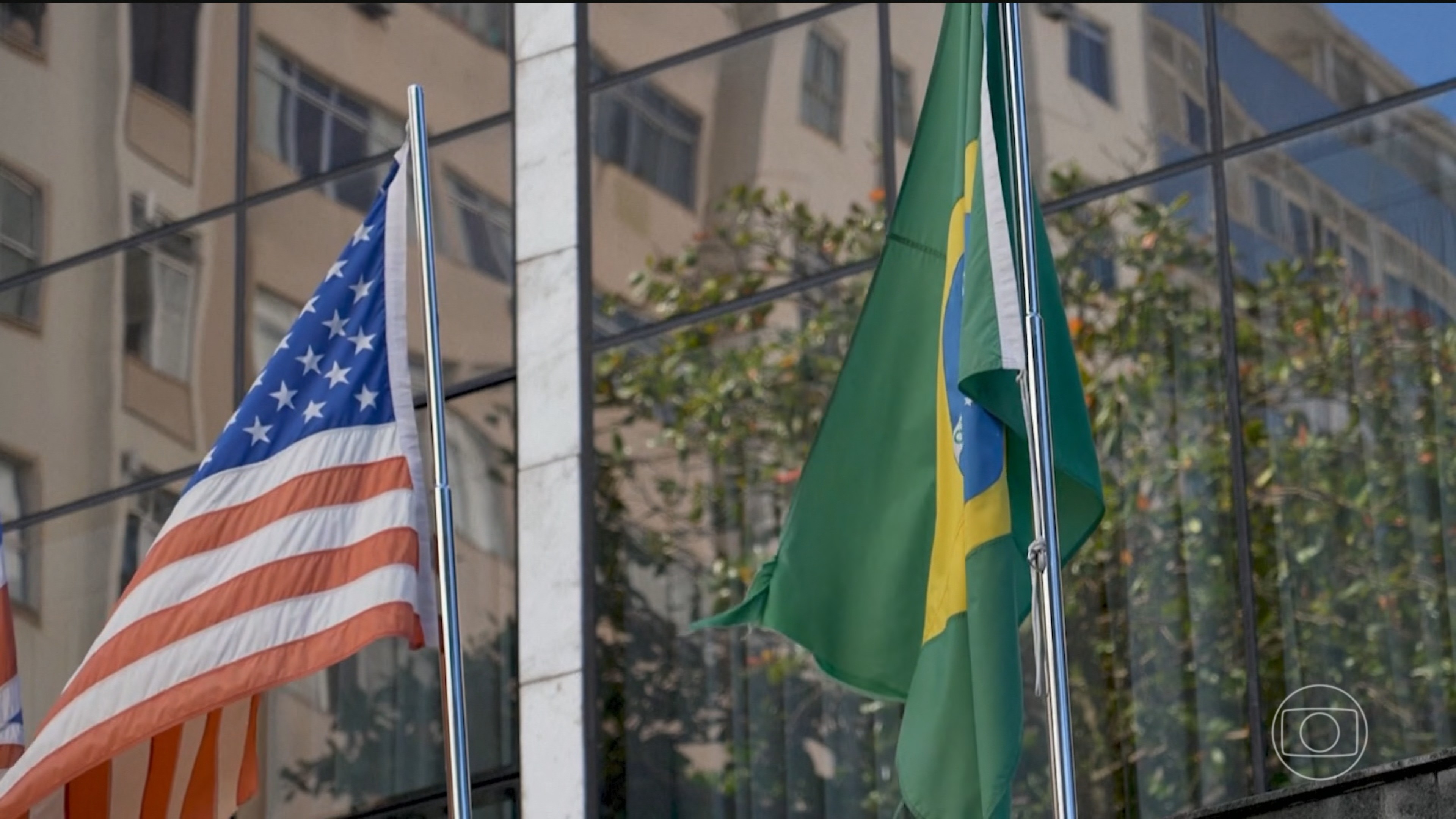
Brazil has been the most negatively impacted country by the United States' revised import tariffs, according to an analysis published by the Financial Times on Friday, May 24th. An independent organization, Global Trade Alert, found that the effective tariff rate on Brazilian products increased from 11% to 17.7%, representing the largest rise among the U.S.'s major trading partners. This adjustment followed a U.S. Supreme Court decision earlier in the year that deemed broad tariffs announced by President Donald Trump in April 2025 illegal.
In contrast, European nations experienced lower tariffs under the new structure. France, the United Kingdom, Germany, and Spain saw reductions in their effective rates. The U.S. government replaced the general tariff with country-specific rates, utilizing a 1974 trade law, which makes it more challenging for a single court ruling to invalidate all tariffs simultaneously. While the average U.S. tariff on imports remains around 10.8%, the new policy disproportionately affects Brazil and other countries like China, Vietnam, Indonesia, Chile, and Colombia, which also saw tariff increases. The European Union, though generally benefiting, remains concerned about potential future U.S. trade investigations that could lead to additional tariffs, prompting the EU to prepare retaliatory measures on approximately €93 billion (around R$590 billion) of U.S. exports.
The U.S. tariff restructuring, shifting from a broad measure to country-specific rates under the 1974 Trade Act, appears designed to enhance legal resilience against judicial challenges. This approach, while potentially stabilizing U.S. trade policy in the short term, creates a more fragmented global trade landscape. For nations like Brazil, facing significant tariff hikes, this necessitates a strategic re-evaluation of export markets and supply chains. The EU's preparedness for retaliation highlights the ongoing tension between national trade objectives and international economic interdependence, suggesting that future trade relations will likely involve complex negotiations and potential disputes, particularly as global economic power dynamics continue to evolve.
AI-generated to prompt reflection — not editorial opinion, not advice, not a statement of fact. How this works.