US Tariffs Hit Brazilian Processed Wood Sector Hard
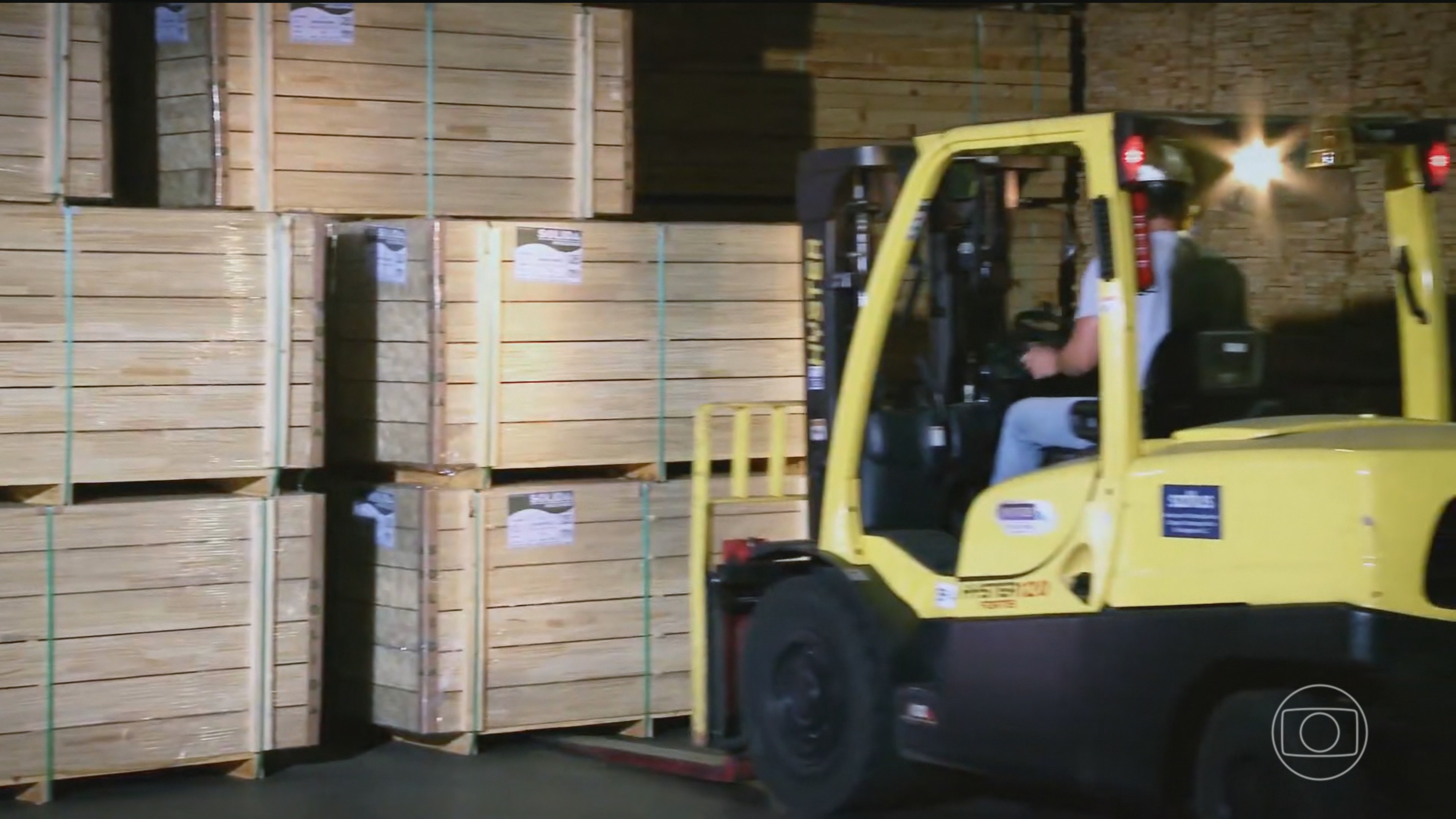
The United States' new 25% tariff on nearly 3,000 Brazilian products, effective July 22nd, is significantly impacting Brazil's processed wood sector. This measure affects approximately 18% of Brazil's exports to the US. A factory in Rio Negrinho, Santa Catarina, specializing in reforestation wood moldings, is particularly affected, as 80% of its production is destined for the American market. This company was established 17 years ago specifically to meet the demand from the US construction industry, which relies heavily on wood components for finishes, doorframes, and windows.
The affected products include custom-made items like flooring, plywood, and decorative fences, all manufactured to meet US standards. The superintendent of Abimci, Paulo Roberto Pupo, stated that redirecting production away from the US market is a complex and long-term challenge due to the sector's existing global reach. While specific financial losses are still being calculated, cumulative losses from previous US tariff fluctuations since 2025 have already exceeded $300 million.
Daniel Woiski, CEO of Sólida Brasil Madeiras, noted that American importers are becoming hesitant, leading to attempts to negotiate prices below cost to offset the new tariffs. He highlighted that Brazil's trade instability now presents a risk factor for US buyers, jeopardizing the sustainability of business relationships and the ability to meet market demands consistently.
The imposition of a 25% US tariff on Brazilian processed wood products, affecting a significant portion of bilateral trade, introduces considerable economic friction. This policy shift disrupts established supply chains, forcing Brazilian manufacturers, like the one in Santa Catarina, to confront the challenge of market diversification. The resulting instability can be viewed through the lens of trade policy as a tool for leverage, potentially impacting future investment decisions and the perceived reliability of Brazil as a trading partner. From a long-term perspective, such tariffs incentivize domestic production in the importing country or encourage the sourcing of goods from alternative, more stable markets, thereby reshaping global commodity flows and potentially accelerating a move towards regionalized trade blocs.
AI-generated to prompt reflection — not editorial opinion, not advice, not a statement of fact. How this works.