US Tariffs Make Brazil Second Highest Taxed Nation, Behind China
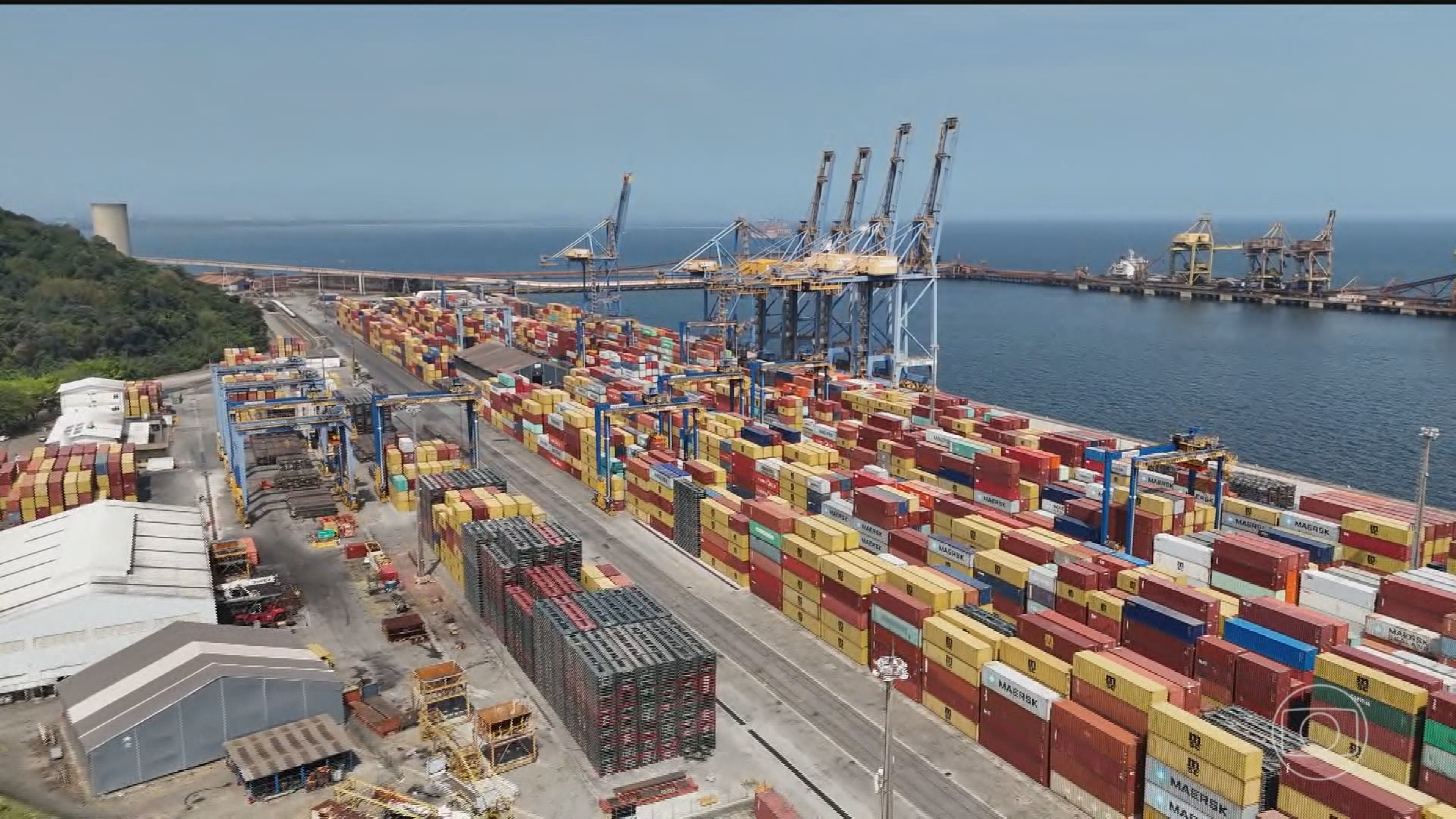
The United States has imposed new tariffs, positioning Brazil as the second-most taxed country by the US, trailing only China. This development stems from a US trade investigation examining six key areas: digital trade and payment services (including Brazil's PIX system), tariff agreements, anti-corruption measures, intellectual property, the ethanol market, and illegal deforestation. According to the Swiss non-profit Global Trade Alert, the average effective tariff on Brazilian exports to the US is projected to rise from 11.7% to 18.2%.
Experts suggest Brazil's increased tariff burden is partly due to a lack of negotiation and resistance to US demands. Former Secretary of Foreign Trade Welber Oliveira Barral noted that the US, after political interventions in Brazil, found other countries more amenable to negotiations on critical minerals and digital markets. Brazil's legal and constitutional limitations, particularly regarding judicial and legislative autonomy, have hindered its ability to meet some US requests, leading to these measures. Professor Oliver Stuenkel of FGV attributes the tariffs to the Trump administration's skepticism towards free trade, viewing economic openness as detrimental to the US economy. He also points out that the US perceives Brazil's PIX system as a threat to American influence in the global payment landscape, especially in an unstable geopolitical climate where countries seek greater autonomy.
Former WTO Director-General Roberto Azevêdo views the tariffs as a pretext for pre-determined measures, emphasizing that resolving the issue requires addressing US strategic interests through negotiation rather than solely focusing on specific US concerns like the PIX system. The Brazilian government has contested the US decision, labeling it as ideological and politically motivated, with Foreign Minister Mauro Vieira calling the tariffs unjustified and lacking real-world basis.
The imposition of significant US tariffs on Brazil, elevating it to second place behind China, highlights a shift in global trade dynamics driven by national strategic interests and perceived economic vulnerabilities. The US administration's focus on issues like digital payment systems, critical minerals, and market access reflects a broader trend of leveraging trade policy to secure geopolitical advantages and technological dominance, particularly in an era of increasing global competition and technological advancement. Brazil's situation underscores the complex interplay between domestic legal frameworks, national sovereignty in economic policy, and the pressures exerted by major economic powers seeking concessions. The analysis suggests that while specific grievances may be cited, the underlying driver appears to be a strategic recalibration of trade relationships to bolster domestic economies and influence, rather than purely transactional disputes. Future trade relations will likely be shaped by a nation's willingness and ability to align with the strategic priorities of dominant economic actors, posing challenges for countries seeking to maintain autonomy while engaging in global commerce.
AI-generated to prompt reflection — not editorial opinion, not advice, not a statement of fact. How this works.