US Tariffs May Push Brazil to China, But Experts See Limits to Export Growth
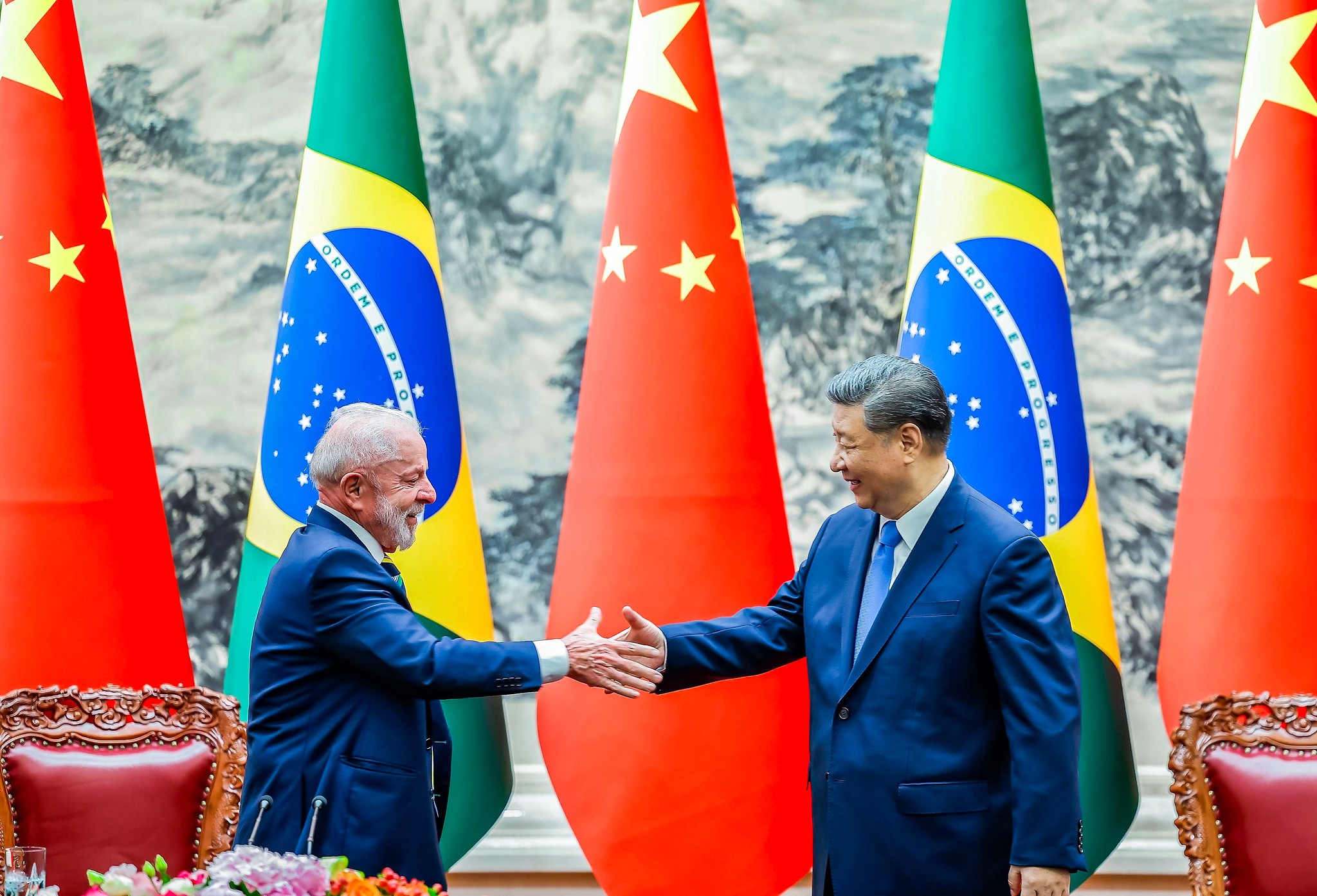
The United States' recent tariffs on Brazilian products could compel companies to seek new markets, with China emerging as a potential alternative. However, analysts suggest China can only absorb a fraction of the exports affected by the U.S. measures due to differences in export profiles and China's own industrial capacity. Brazil exported $99.94 billion to China in 2023, more than double the $37.7 billion sent to the U.S. In the first half of 2026, Brazilian exports to China hit a record $58.32 billion, a 21.9% increase year-on-year.
Despite China's large market, it is not an immediate solution for most affected products. "When there is excess production, companies look for new markets. China is a big market, but I don't believe that tariffs alone will cause any change in this," stated Rodrigo Giraldelli, CEO of China Gate. The tariffs primarily target manufactured goods, machinery, and equipment, areas where China is a major producer and exporter. Brazilian exports to the U.S. consist mainly of aircraft, machinery, equipment, and processed steel, while Chinese imports are dominated by commodities like soybeans, crude oil, iron ore, and meat, which constitute nearly 90% of Brazil's sales to China. This commodity focus limits the ability of Brazilian manufacturers losing U.S. market access to easily pivot to China.
Furthermore, China's market has its own restrictions, including tariff-rate quotas for agricultural products and specific health and qualification rules for exporters. For instance, since January 2026, China has imposed import quotas and surcharges on Brazilian beef. The Chinese economy, while still growing, is doing so at a slower pace, with its GDP growth at 4.3% in Q2 2026, below government targets. This slowdown, coupled with a property sector crisis and weak domestic consumption, makes increased reliance on China potentially risky. Experts believe the tariffs may accelerate Brazil's export diversification rather than increasing dependence on China, potentially strengthening trade negotiations with other partners like Japan, Canada, and Singapore, and reinforcing the importance of the EU trade agreement.
The imposition of U.S. tariffs on Brazilian goods presents a complex economic challenge, prompting a strategic reevaluation of export destinations. While China's substantial market offers a potential avenue for absorbing displaced trade, its capacity is constrained by structural differences in import demand and China's own industrial landscape. The analysis highlights that Brazil's export profile to the U.S. is heavily weighted towards manufactured goods, whereas China's demand is predominantly for commodities. This mismatch suggests that a direct substitution is unlikely to be seamless or complete. Moreover, China's own economic conditions, including a growth slowdown and domestic market challenges, temper expectations of unlimited absorption. The situation underscores the inherent vulnerabilities of concentrated export markets and may serve as a catalyst for Brazil to accelerate its long-term strategy of trade diversification, potentially through enhanced negotiations with other global partners and the strengthening of existing trade blocs. This shift could lead to a more resilient and balanced international trade posture for Brazil in the coming decade.
AI-generated to prompt reflection — not editorial opinion, not advice, not a statement of fact. How this works.